Vacuum Circuit Breaker Replacement: Information Checklist Before You Request a Quote
Confirm the nameplate, ratings, installation arrangement, interfaces and control details needed for a replacement review.


Vacuum circuit breakers, switchgear handcarts, load break switches and disconnect switches for indoor and outdoor medium-voltage applications.
Select the switching or isolation function first, then continue by installation environment, rating and operating arrangement.
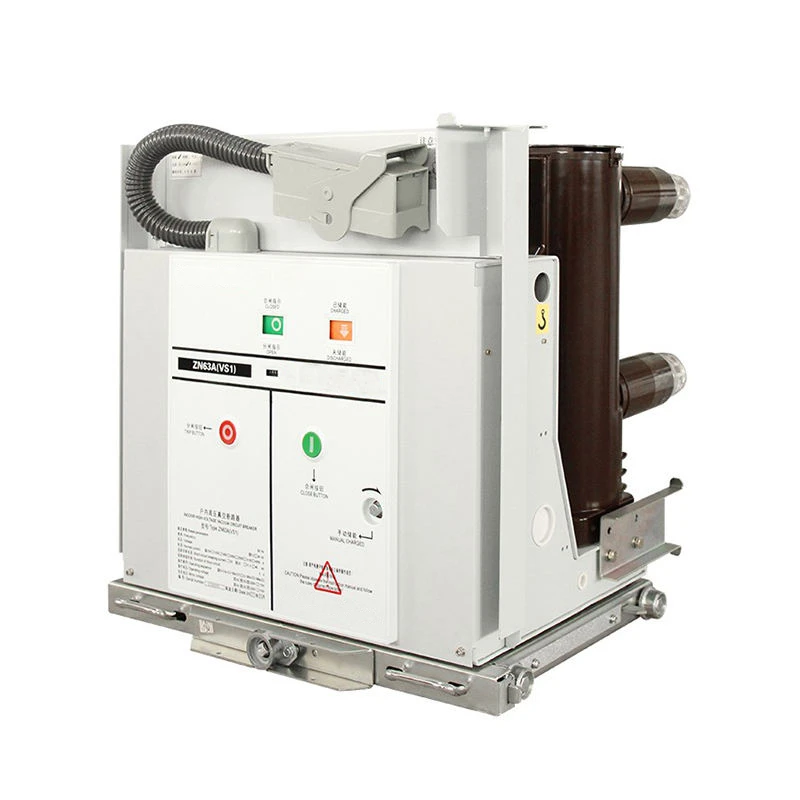 Circuit breakingVacuum Circuit BreakersIndoor and outdoor VCB families for medium-voltage protection and switching duties.
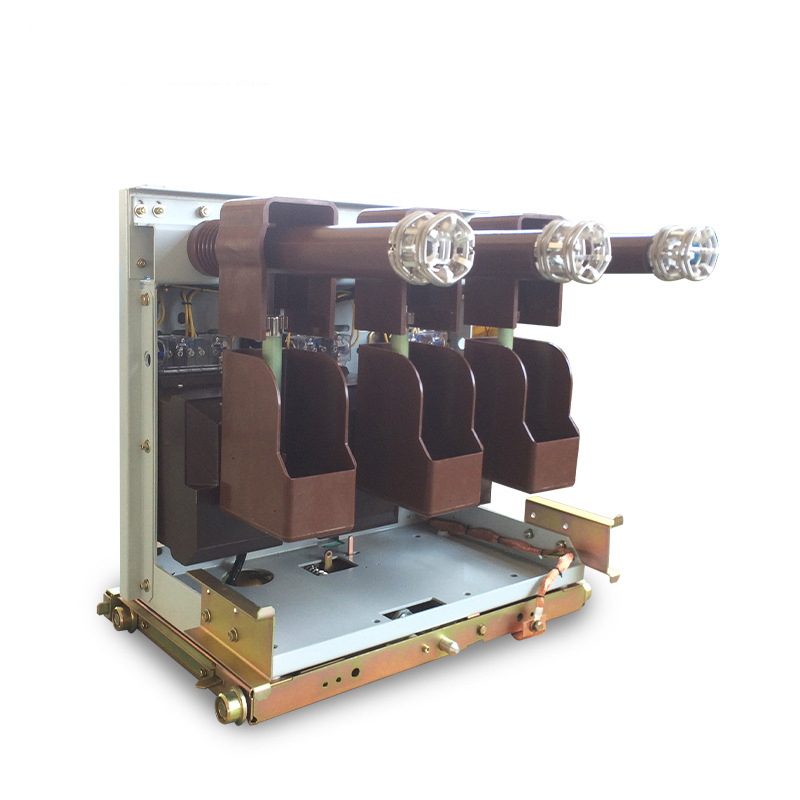 WithdrawableSwitchgear HandcartsIsolation, fuse and PT handcarts for metal-clad switchgear applications.
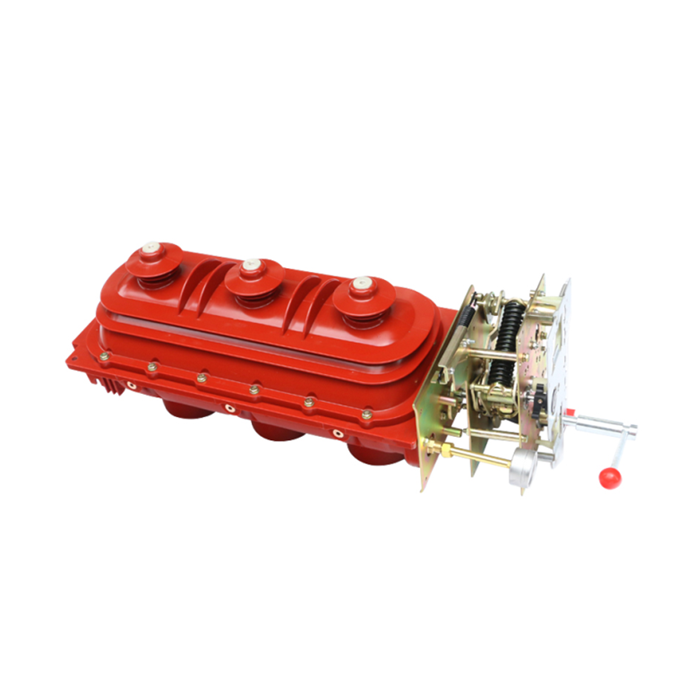 Load switchingLoad Break SwitchesIndoor and outdoor load break switch families for medium-voltage distribution applications.
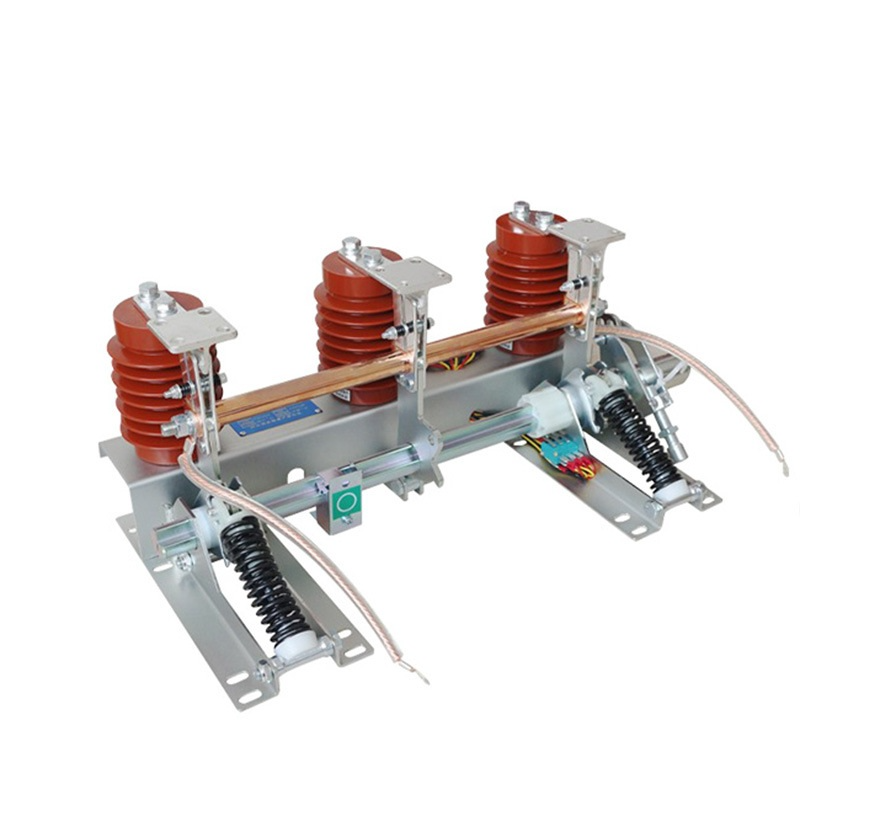
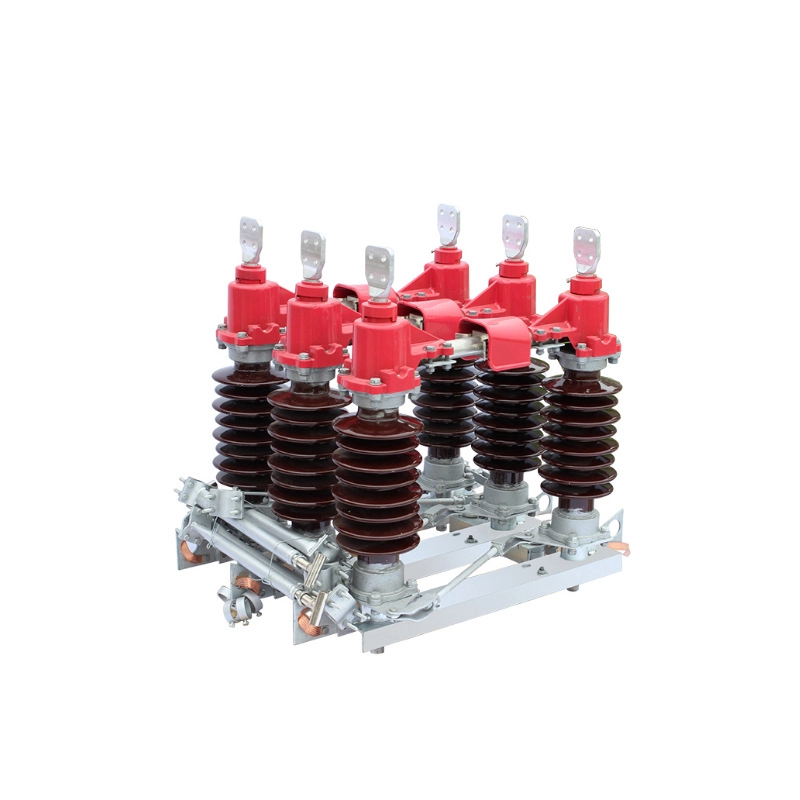 IsolationDisconnect SwitchesIndoor and outdoor disconnect switch routes for visible isolation requirements.
Start with the equipment function and application. These five inputs separate circuit breaking, load switching, isolation and withdrawable handcart requirements before model review.
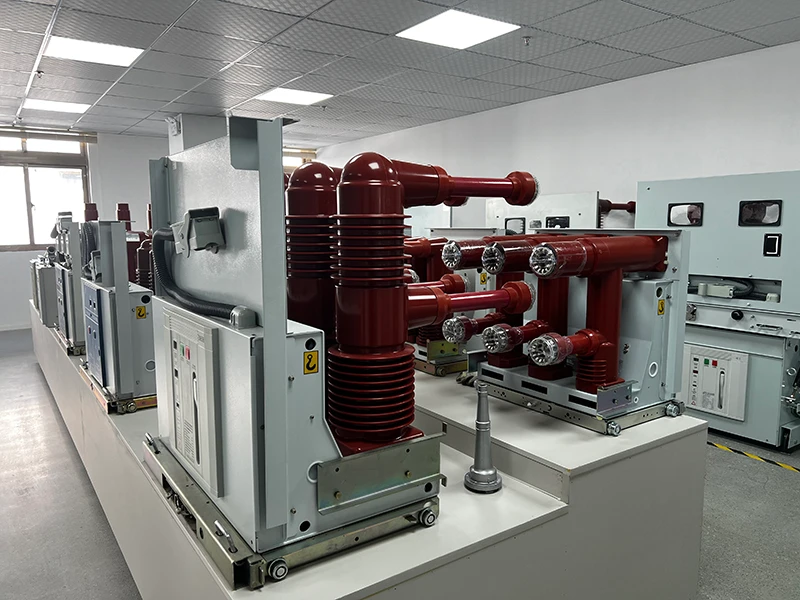
Choose the project situation first. Each route defines what to provide and what the engineering review can return.
Equipment duty, ratings, interface references and available production evidence are reviewed in one sequence before specification.
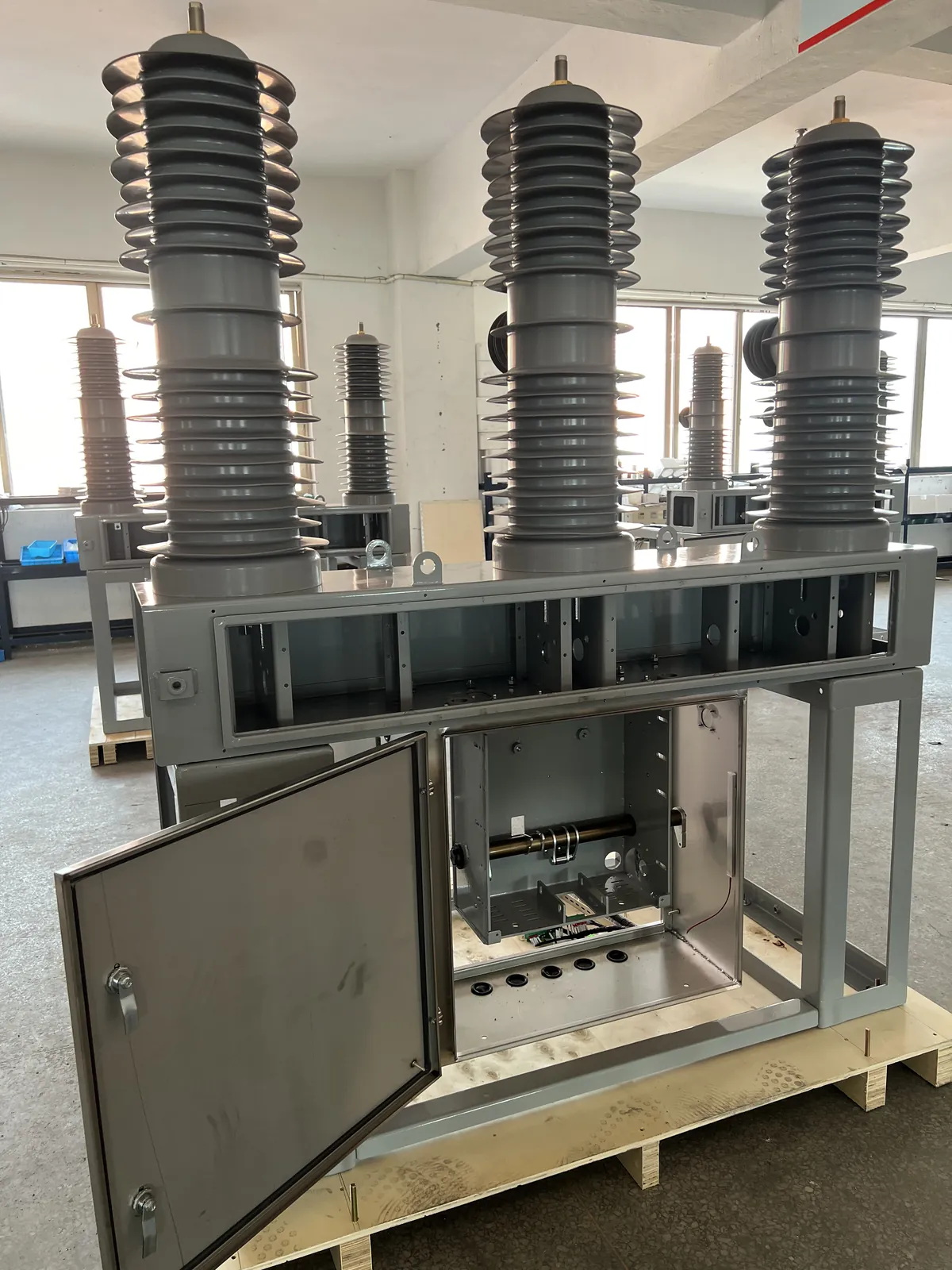
The required switching, protection, isolation or handcart function is reviewed together with the indoor or outdoor installation context.
Equipment function, installation and source specification
Electrical ratings, primary connection, mounting, mechanism, control voltage, accessories and interlocks are checked against the supplied reference.
Rating schedule, dimensions and control reference
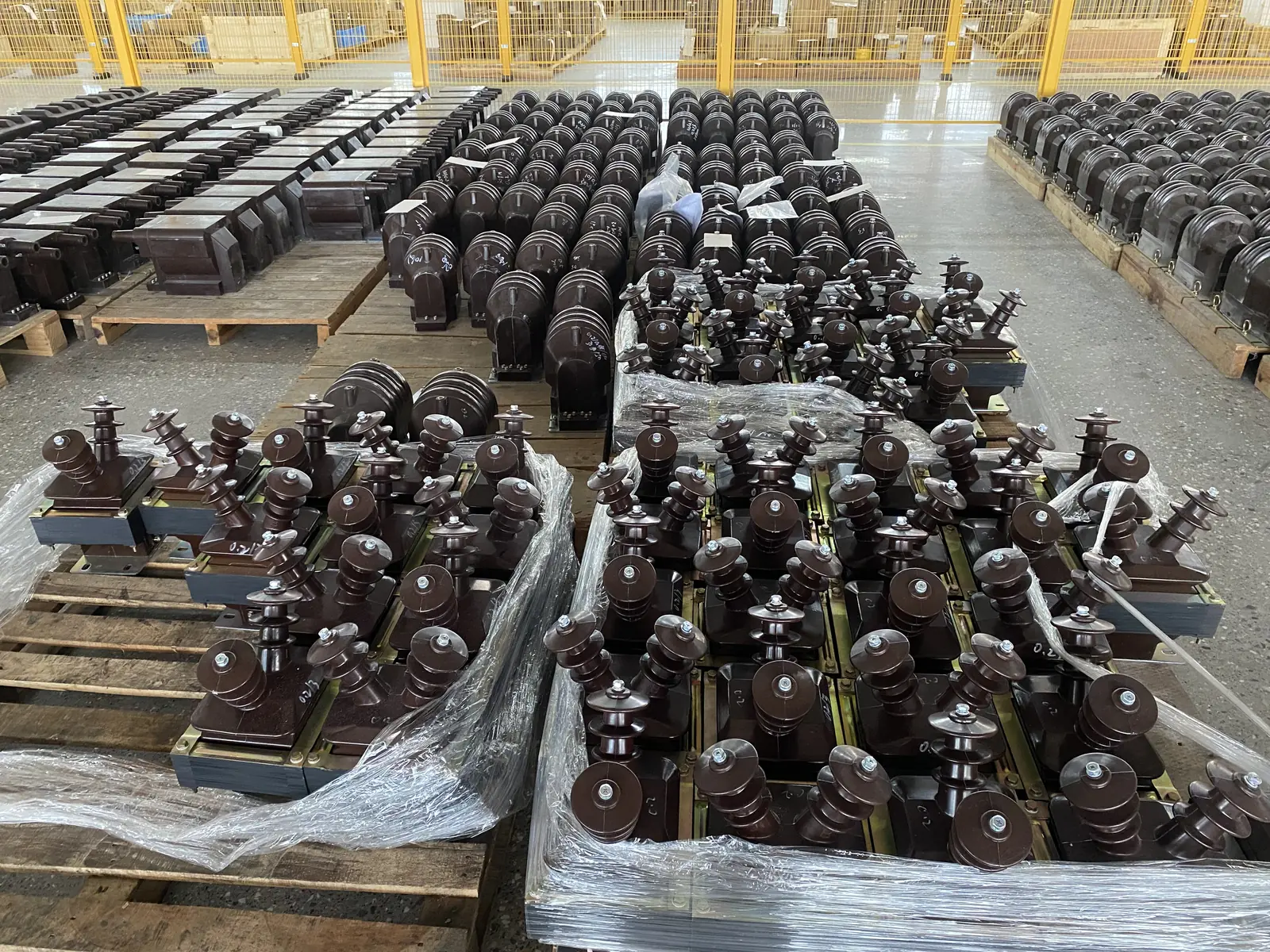
Applicable assembly, inspection and document records are reviewed with the selected equipment identification before release.
Product identity and applicable inspection or release record
Continue with practical background on vacuum circuit breakers, withdrawable chassis interfaces and medium-voltage equipment selection.
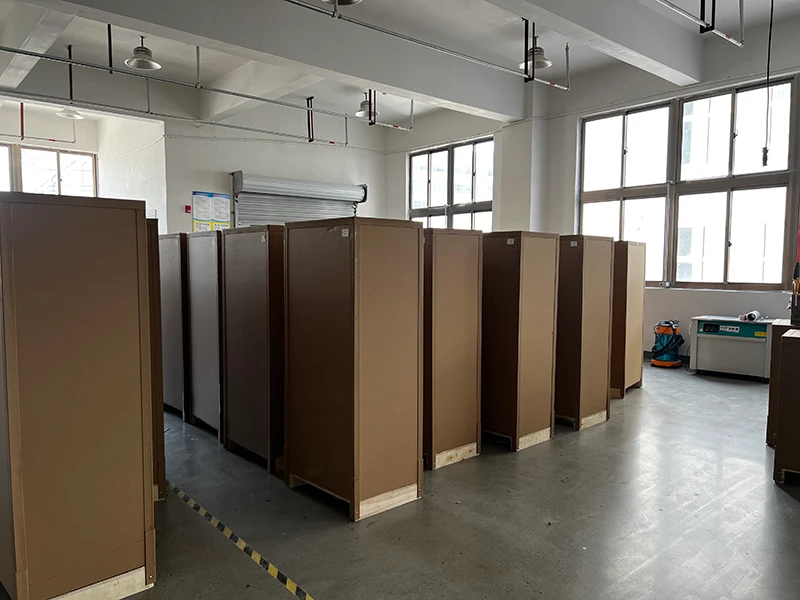
Confirm the nameplate, ratings, installation arrangement, interfaces and control details needed for a replacement review.
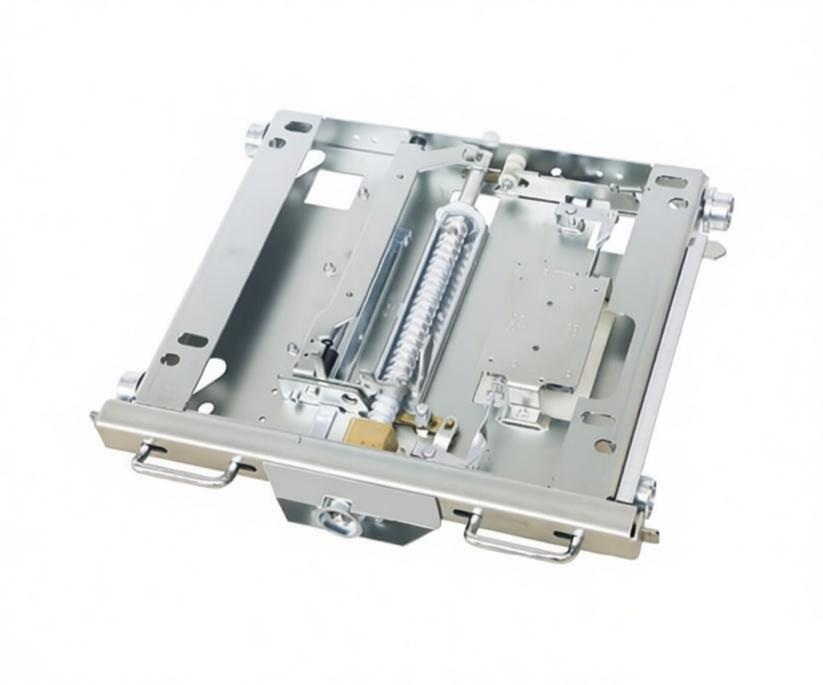
Review the dimensions, primary and secondary interfaces, interlocks and racking travel required for a compatible chassis truck.
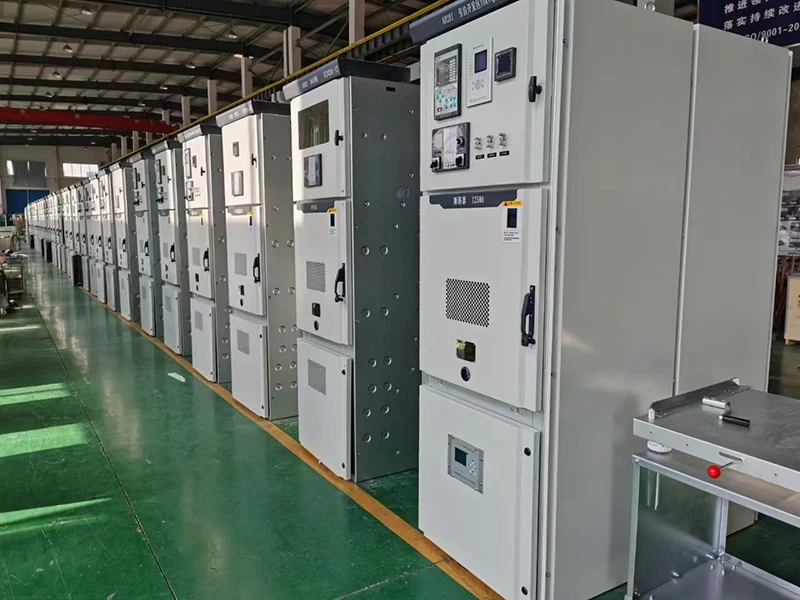
Compare normal-load switching and visible-isolation duties before selecting the appropriate medium-voltage equipment family.
These answers clarify the duty, interface and RFQ inputs that should be confirmed before MV switching equipment is specified.
Start with the required system duty. Specify fault interruption or protection where applicable for a VCB, normal-load switching for a load break switch, visible isolation for a disconnect switch, or a withdrawable isolation, fuse or PT function for a handcart. Confirm the one-line diagram, ratings and operating sequence before selecting a model.
Provide the rated voltage, current, frequency and required short-circuit duty, together with the indoor or outdoor installation, fixed or draw-out arrangement, operating mechanism, control voltage, primary terminals, interlocks and applicable standards. For a replacement, add the existing nameplate, cabinet drawing and photographs.
Confirm the switchgear and breaker references, compartment dimensions, chassis interface, service and test positions, racking travel, rails or wheels, shutter and mechanical interlocks, primary contacts and secondary connector arrangement. A product image or model name alone is not enough to confirm fit.
State the system voltage, current and operating duty, installation environment, pole and mounting arrangement, earthing or interlock requirements, manual or motor operation, terminal direction and available installation envelope. Submit the single-line diagram and panel or equipment drawing when a replacement must match an existing assembly.
No. Matching voltage and current are only part of the review. The required switching duty, short-circuit duty where applicable, insulation level, fixed or withdrawable arrangement, primary and secondary interfaces, mechanism, control voltage, interlocks and installation dimensions must also match the project requirement.
Include the equipment type and quantity, one-line diagram or application description, required ratings, indoor or outdoor installation, operating and control requirements, interlocks, terminal or interface details, relevant standards and existing nameplate, drawing or photographs for a replacement. This allows the appropriate model, drawing and commercial review to be prepared.