Key Guide to Selecting Core Components for Medium-Voltage Switchgear
A practical overview of the component, interface and application details to confirm before selection.


Components for metal-clad switchgear, ring main units, gas-insulated systems, insulation interfaces and auxiliary cabinet functions.
Start with the switchgear system or cabinet function, then continue to the relevant component collection.
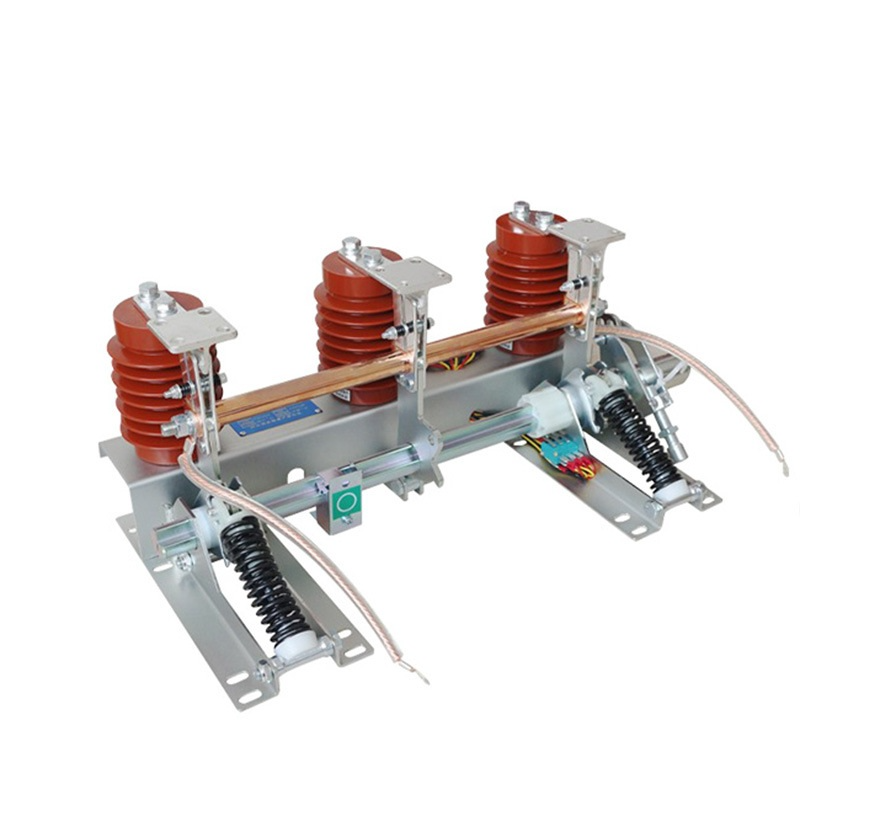 Metal-cladMetal-Clad Switchgear ComponentsEarthing, interlock and operating components for metal-clad panels.
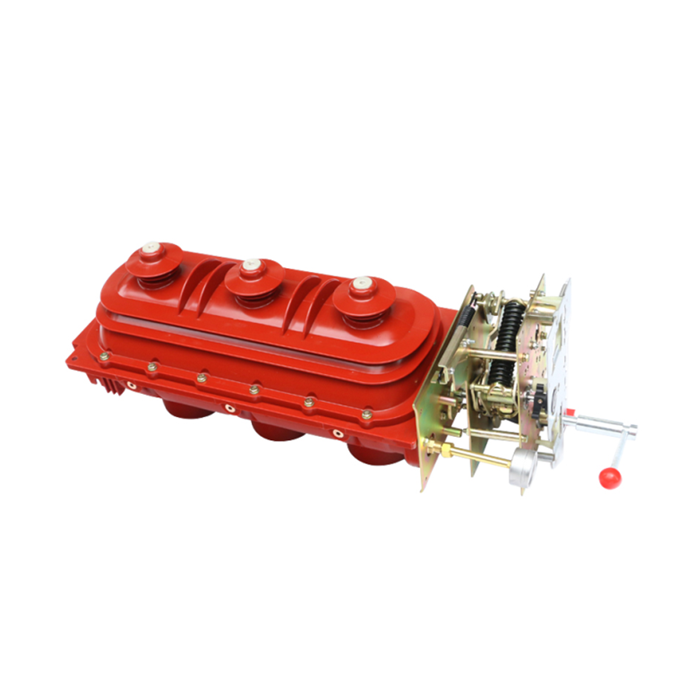 RMURing Main Unit ComponentsLoad-break and operating components for ring main units.
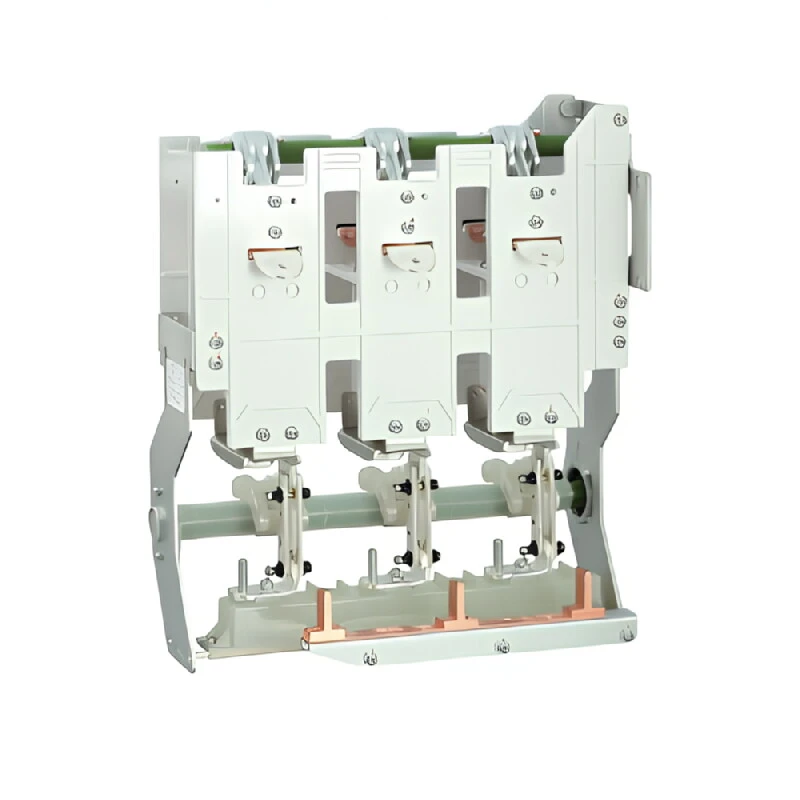 GISGas-Insulated Switchgear ComponentsSwitching parts for gas-insulated cabinet systems.
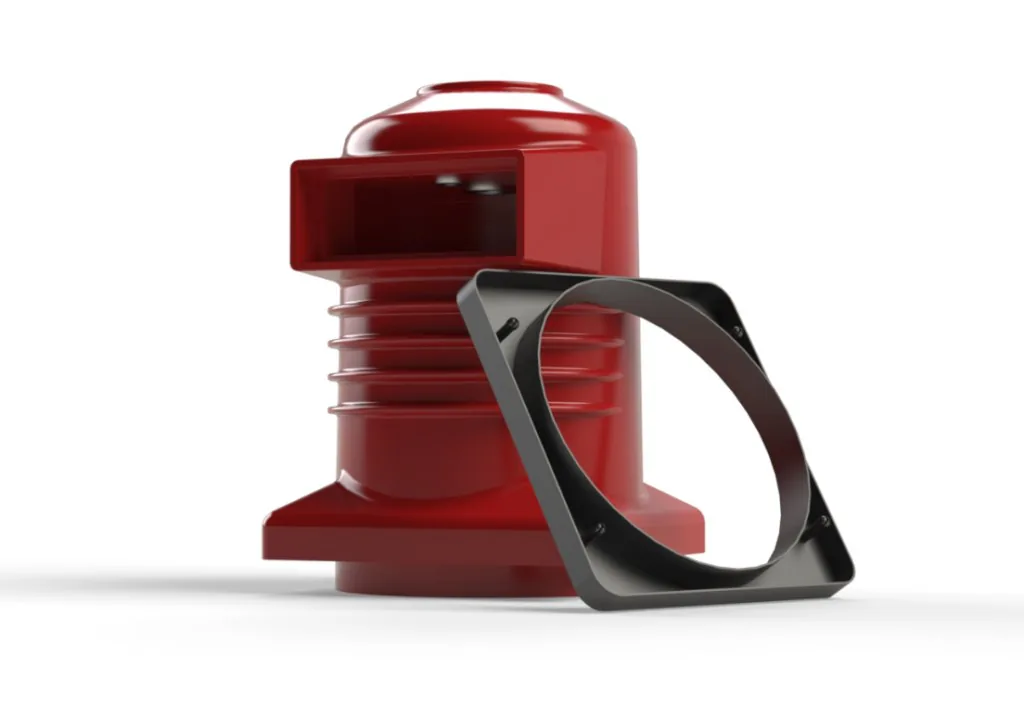 InsulationSwitchgear Insulation ComponentsWall bushings, contact boxes, insulators and sensor interfaces.
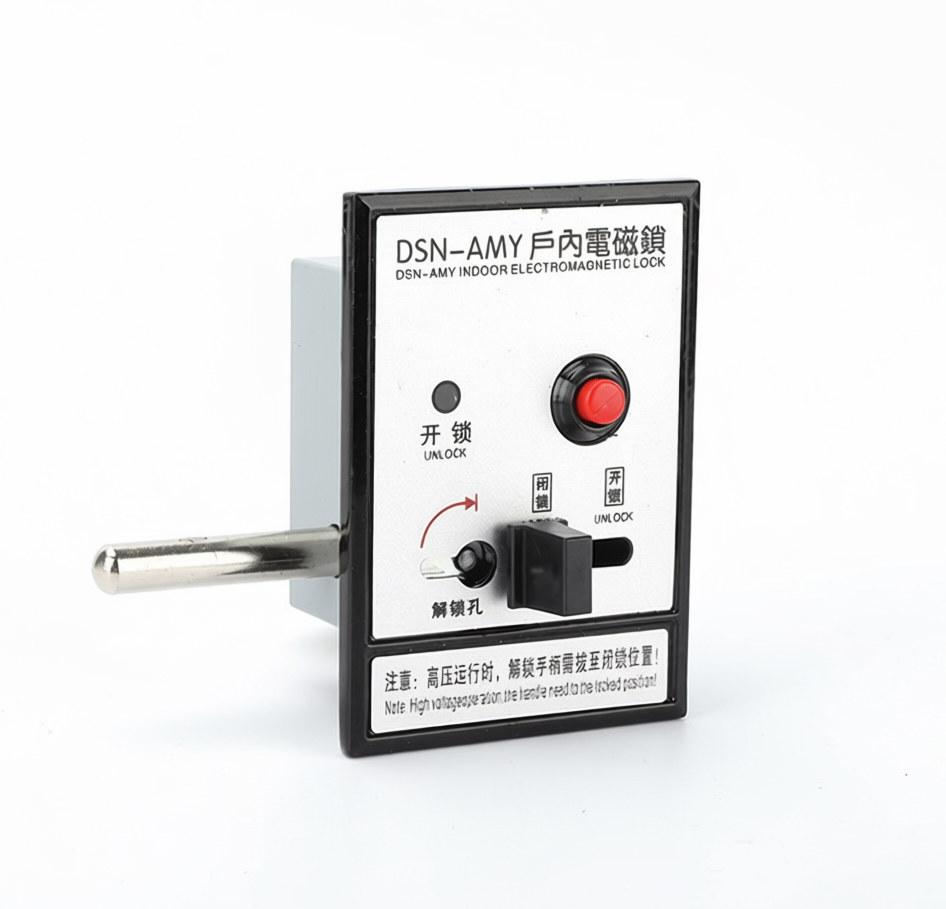 AuxiliarySwitchgear Auxiliary ComponentsIndicators, locks, cabinet controls and supporting accessories.
Start with the system, rating and cabinet position. These five references identify the relevant component family before compatibility or replacement review begins.
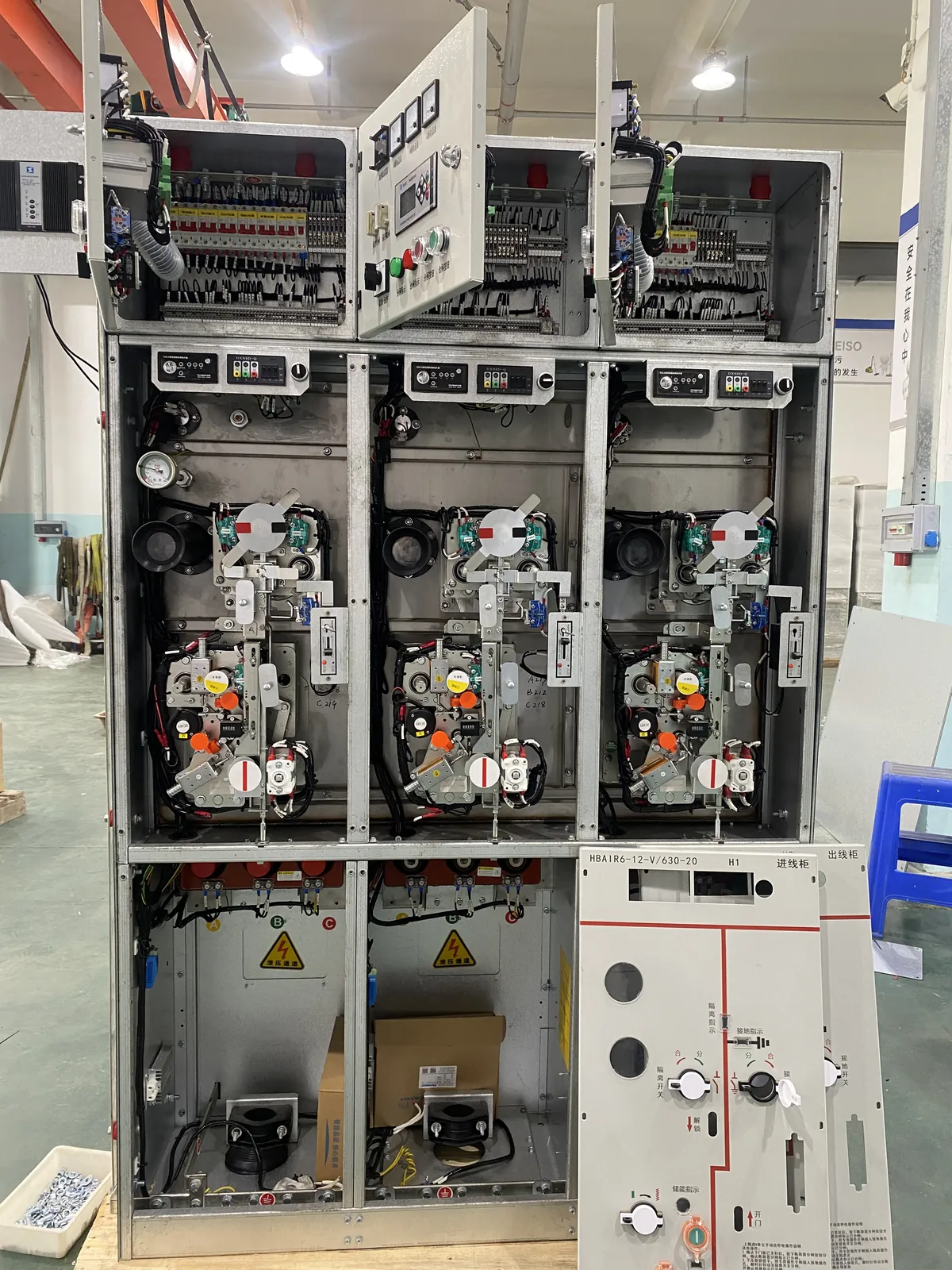
Choose the project situation first. Each route defines what to provide and what the engineering review can return.
Application fit, drawing references and available production or inspection records are reviewed in one sequence before the component is specified for the project.
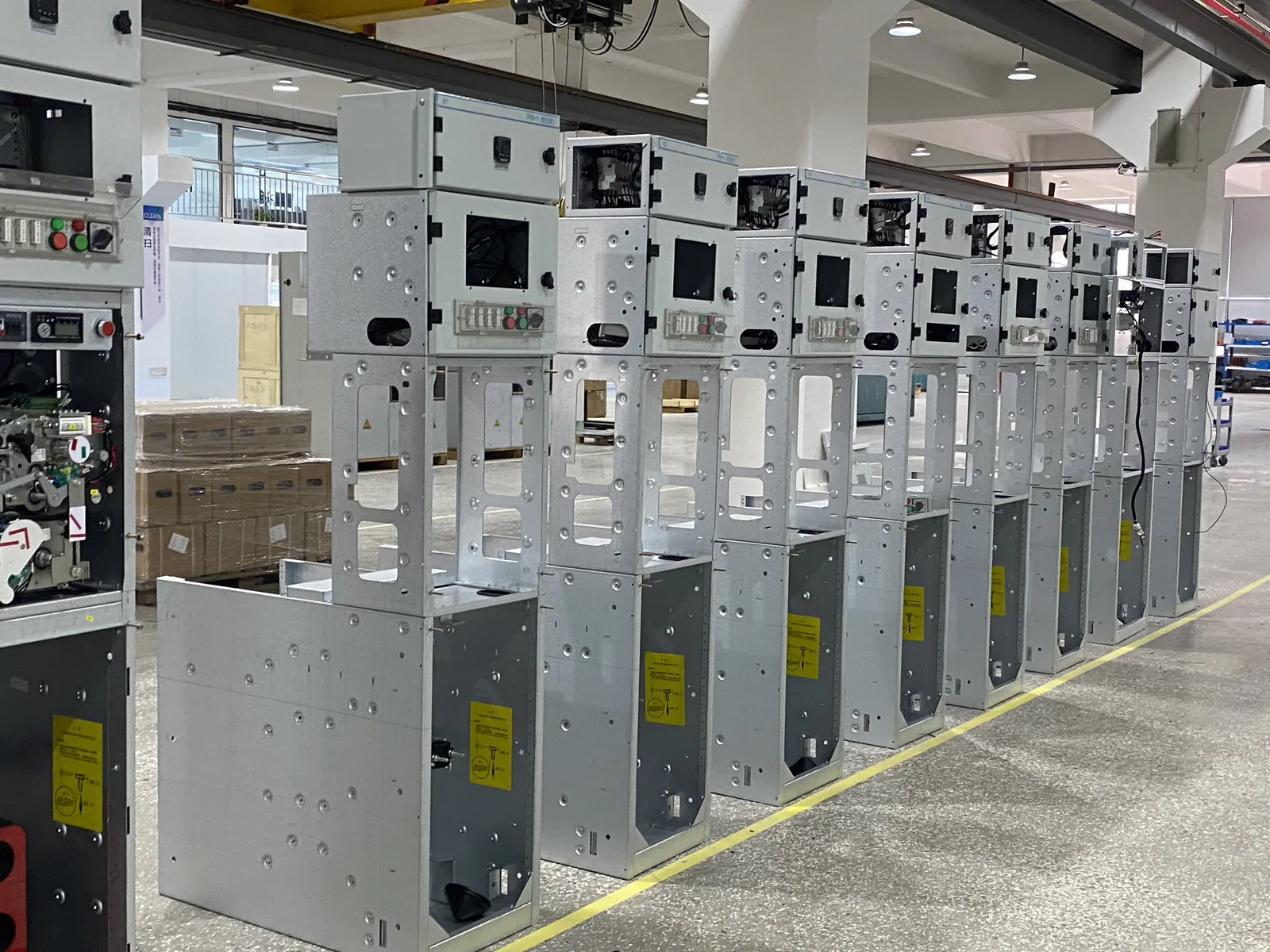
The cabinet position, operating direction, mounting reference and electrical termination are checked against the application context.
Application details, product reference and interface notes
Mounting dimensions, insulation clearances and key interfaces are checked against the approved drawing or supplied reference.
Dimension record, drawing revision and review result
Production status, applicable electrical checks, model labels and release records are reviewed before shipment.
Inspection status, product label and release record
Continue with practical background on component selection, RMU configuration and gas-insulated switchgear.
A practical overview of the component, interface and application details to confirm before selection.
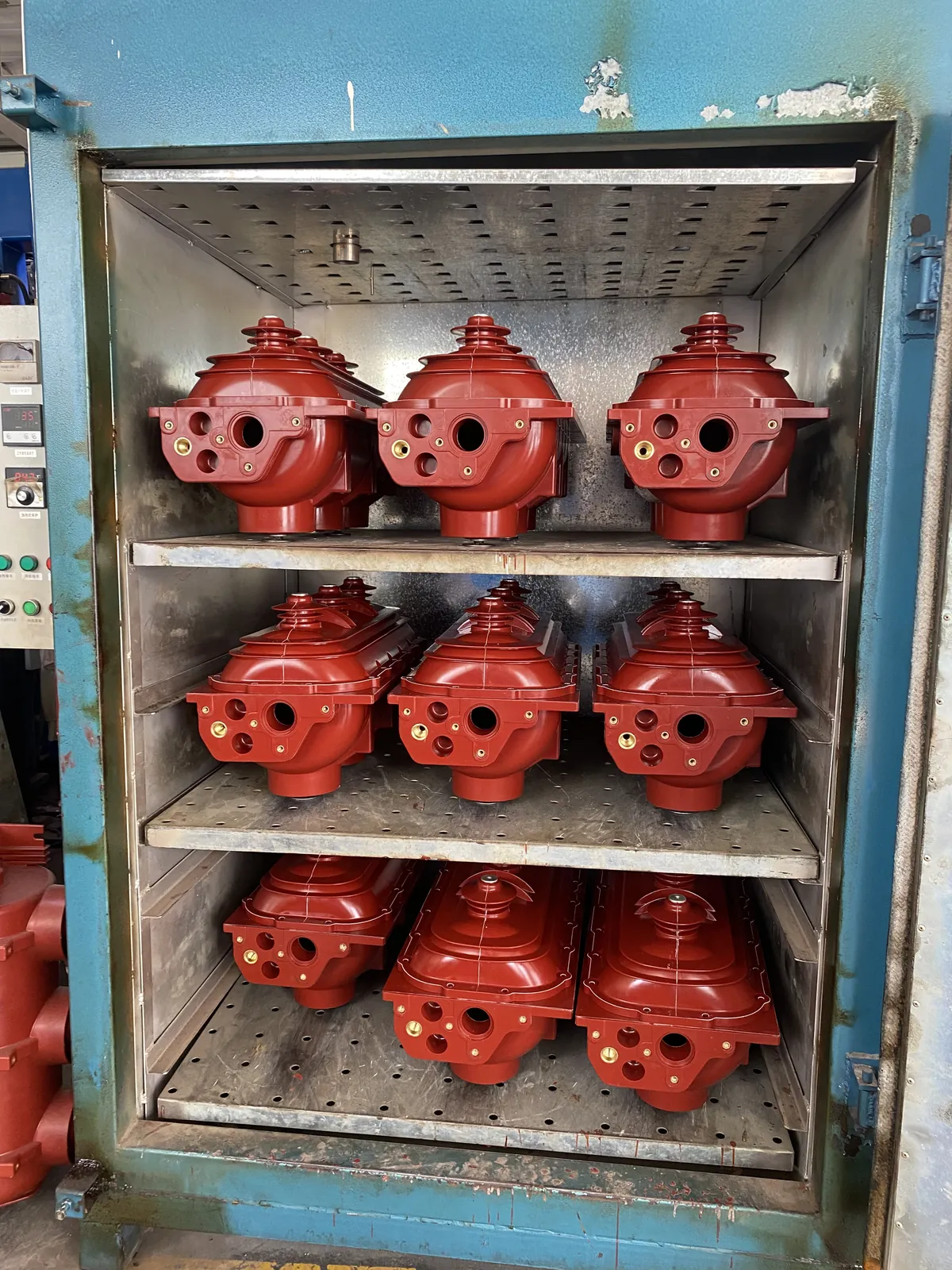
Review common RMU configurations and the component context that affects engineering compatibility.
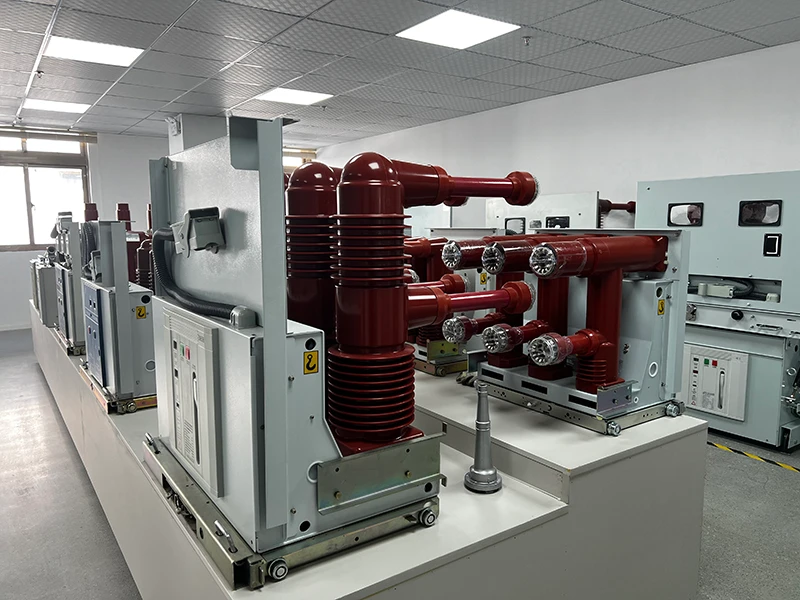
Understand how GIS construction, insulation context and cabinet interfaces shape component selection.
These answers clarify the selection data, interface checks and RFQ inputs that should be confirmed before a model or replacement is specified.
Start with the switchgear system, cabinet compartment and required function. Then provide the rated voltage, normal current and fault-duty context where relevant, insulation medium, installation environment, interface dimensions and the existing model or drawing when this is a replacement.
No. Electrical ratings are only part of the selection basis. The mounting pattern, pole or shaft position, connection arrangement, insulation clearance, operating direction and the component's role in the cabinet must also match the installed or proposed assembly.
Use the insulation system and cabinet design named in the project or installed equipment. These routes are not interchangeable by voltage class or appearance alone; confirm the enclosure, mating interface, clearances and applicable drawing before selecting a component family.
Provide the original model marking, clear photos, cabinet position, key dimensions, mounting and connection details, shaft or linkage orientation where applicable, and the drawing revision if available. A visual similarity or a matching rating does not by itself confirm fit.
For a confirmed family or model, request the applicable outline or mounting drawing and the relevant electrical or interface data. State the intended installation and document requirement in the RFQ so the review is tied to the correct configuration.
Include the component family or existing model, system and application, ratings that apply to the component, cabinet or equipment reference, installation interface, drawing or photos, quantity, destination and requested delivery date. Add any required inspection or project documentation at the start of the review.