Should I specify a current transformer or a voltage transformer?+
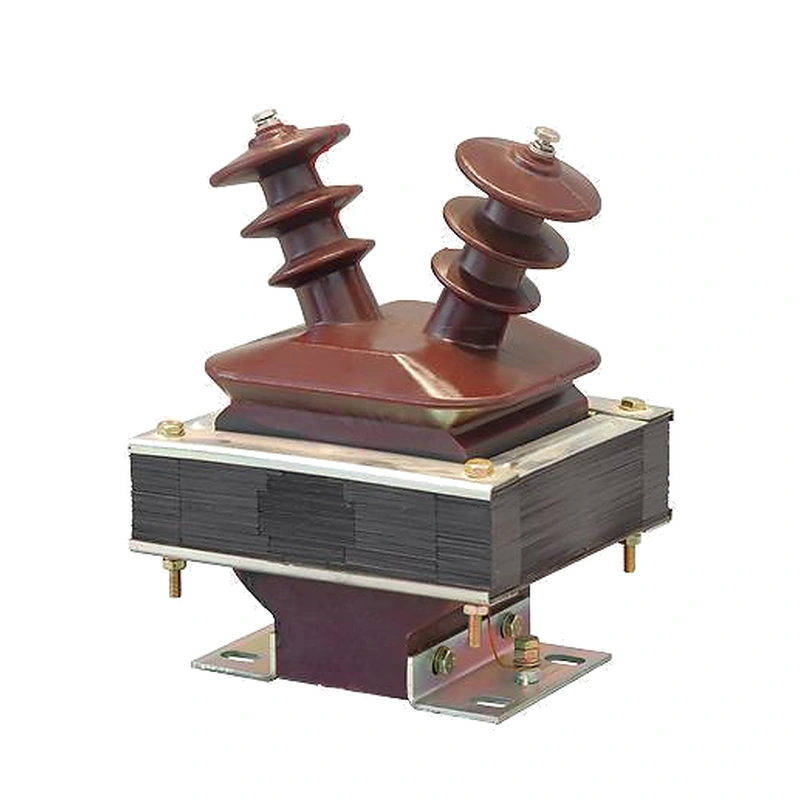
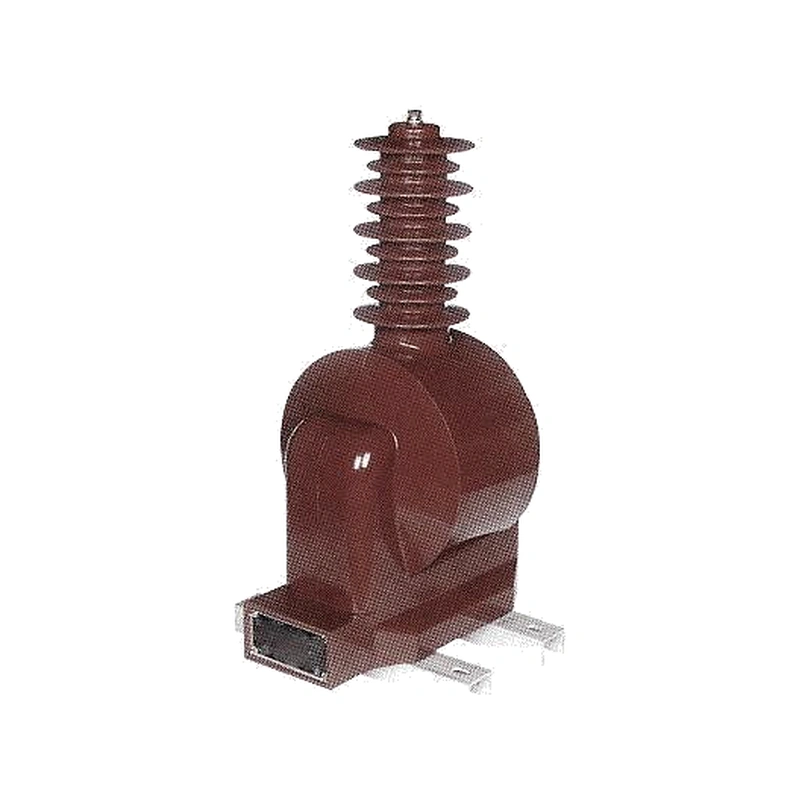
Specify a CT when the secondary circuit needs a scaled current signal for metering or protection, and a VT when it needs a scaled voltage signal. For either type, the selected duty, primary and secondary values, accuracy requirement, burden and installation interface must be confirmed together.
What data is needed to select a current transformer?+
Provide the primary and secondary current ratio, metering or protection duty, rated burden, accuracy class, number of cores, system voltage and insulation requirement, frequency, primary conductor or terminal arrangement, and indoor or outdoor installation. Include the secondary wiring or relay burden when it is known.
What data is needed to select a voltage transformer?+
Provide the primary and secondary voltage, connection arrangement, frequency, metering or protection duty, burden, accuracy class, insulation level, terminal arrangement and installation environment. Confirm the required secondary circuit and any project drawing before a model is specified.
Can two instrument transformers with the same ratio be used interchangeably?+
Not necessarily. A matching ratio does not establish the required burden, accuracy class, core or winding purpose, insulation level, terminal arrangement or mounting interface. For protection applications, the specified protection performance must also be reviewed against the actual scheme.
How do indoor and outdoor instrument-transformer requirements differ?+
Start with the real installation environment and equipment position. Indoor models must suit the enclosed switchgear interface and clearances; outdoor models must suit the specified external installation, insulation arrangement and environmental conditions. Do not select by product appearance alone.
What should be included in an instrument-transformer replacement RFQ?+
Include the existing nameplate or model, CT, VT or combined duty, ratio, burden, accuracy class, number of cores or windings, system voltage, terminal or polarity reference, overall and mounting dimensions, indoor or outdoor installation, quantity and required documents. Attach the outline drawing or clear photos where available.