


Quick Takeaway
- Treat every short-circuit value as a separate document field, not as a single “kA rating.”
- Ask the project engineer to compare the manufacturer’s technical data, the current fault study, and the project specification at the exact installation point.
- Where a record is missing, inconsistent, or unclear, hold the selection for engineering confirmation rather than inferring a suitable rating.
A VCB technical-data table can place breaking current, making capacity, short-time withstand current, rated voltage, and operating class side by side. They are related, but they do not answer the same question. This guide is a document-review aid for a purchaser or project team preparing an RFQ, replacement comparison, or engineering submittal. It does not establish a duty rating or approve a circuit breaker for service.
Start by collecting the product data for the proposed vacuum circuit breaker, the applicable project specification, and the current study or engineering record for the installation point. The project engineer must determine whether those records are comparable and sufficient for the application.
What to Locate in the Technical-Data Table
Manufacturer tables commonly distinguish the following entries:
- Rated voltage and rated normal current.
- Rated short-circuit breaking current.
- Rated short-circuit making capacity.
- Rated short-time withstand current and its stated duration.
- Operating class or stated duty-cycle information.
The point of the review is not to derive values from one entry. It is to make sure each stated entry has an identifiable project-side record to which the engineer can compare it. In ABB’s SafRing/SafePlus V technical data, for example, breaking current, making capacity, and short-time current are presented as distinct parameters. That distinction should be retained in the project comparison sheet rather than collapsed into a single column.
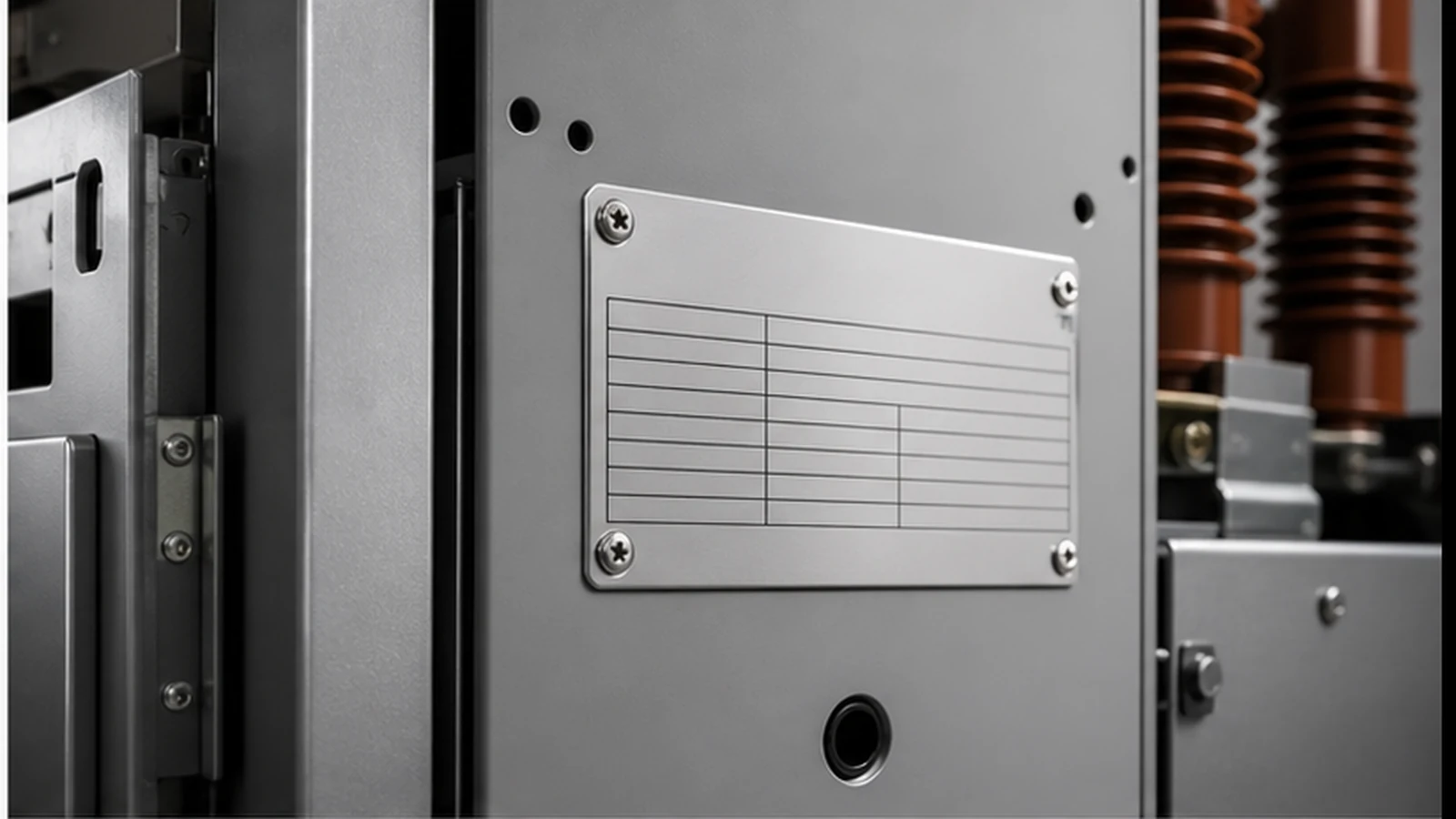
For a broader equipment context, keep the VCB record associated with the relevant medium-voltage switchgear components, including the panel, primary conductors, and controls that form the intended assembly. A breaker datasheet alone is not a verified record of the complete switchgear interface.
Standards Context: What to Ask About IEC 62271-100
IEC 62271-100 is the IEC standard covering high-voltage alternating-current circuit breakers. It is useful here as a standards reference, not as a substitute for the actual project specification, test report, or manufacturer instructions.
Ask the project engineer to record:
1. Which edition and amendments the project specification calls up.
2. Which edition is cited in the manufacturer’s type-test and technical documentation.
3. Whether the documentation identifies the relevant rated values and duty classification clearly enough for the proposed use.
4. Whether any project-specific requirements are stated separately from the standard reference.
Do not assume that two documents are equivalent merely because both mention IEC 62271-100. The engineer needs to resolve any edition, scope, or terminology difference in the project record.
Questions for Each Short-Circuit Field
Rated Voltage and Normal Current
Ask which project documents identify the maximum applicable system voltage and continuous-current requirement at the breaker location. Then ask whether the proposed datasheet states its own voltage and normal-current values, along with the conditions or configuration to which they apply. This is an evidence check; the final comparison remains an engineering decision.
Rated Short-Circuit Breaking Current
Ask for the current fault-study output for the exact point where the VCB is to be installed. Confirm that the record identifies the basis of the stated fault current and that the product table clearly labels its breaking-current value. If either the project-side basis or the product-side wording is missing, flag the item for the project engineer instead of treating the figures as directly comparable.
Rated Short-Circuit Making Capacity
Making capacity is a separate manufacturer-rated field. Request the project engineer’s record for the relevant closing-duty consideration and ask whether it has been reviewed against the manufacturer’s stated basis. Avoid converting another rating into a making-capacity value in an RFQ worksheet; the applicable system assumptions and product test conditions need engineering review.
Rated Short-Time Withstand Current and Duration
Record both parts exactly as printed: the current value and the duration. Ask which protection and coordination record the engineer will use when considering this field. A comparison sheet that records the current but omits the duration is incomplete, because the manufacturer table treats duration as part of the stated rating.
Operating Class or Stated Duty Information
Ask whether the project’s protection philosophy, including any stated reclosing requirement, has been documented for the location. Then ask the engineer to confirm that the product documentation identifies the relevant operating-class or duty information. Do not infer suitability from the short-circuit current values alone.
Interface Assumptions That Belong in the Review Record
Technical data are issued for a defined product configuration and stated conditions. The document package should therefore identify any assumptions that could affect the proposed assembly, including:
- Breaker type, rated-voltage class, panel or cubicle family, and primary connection arrangement.
- Altitude and ambient conditions stated in the project documents and the manufacturer literature.
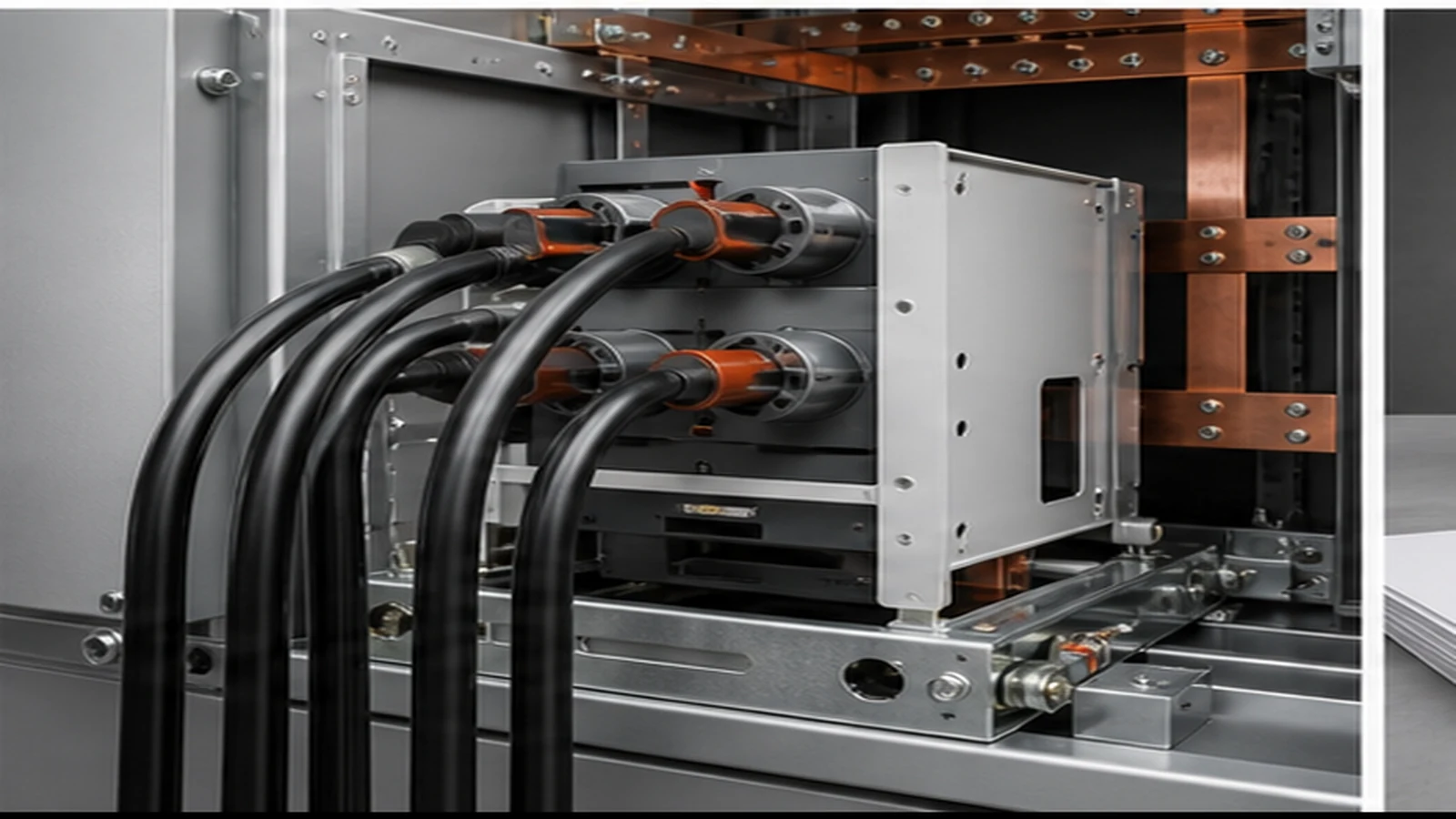
- Bus, cable-termination, and interface drawings that define the surrounding current path.
- Control voltage, secondary connector, interlock, and operating-mechanism information where the VCB is part of a replacement.
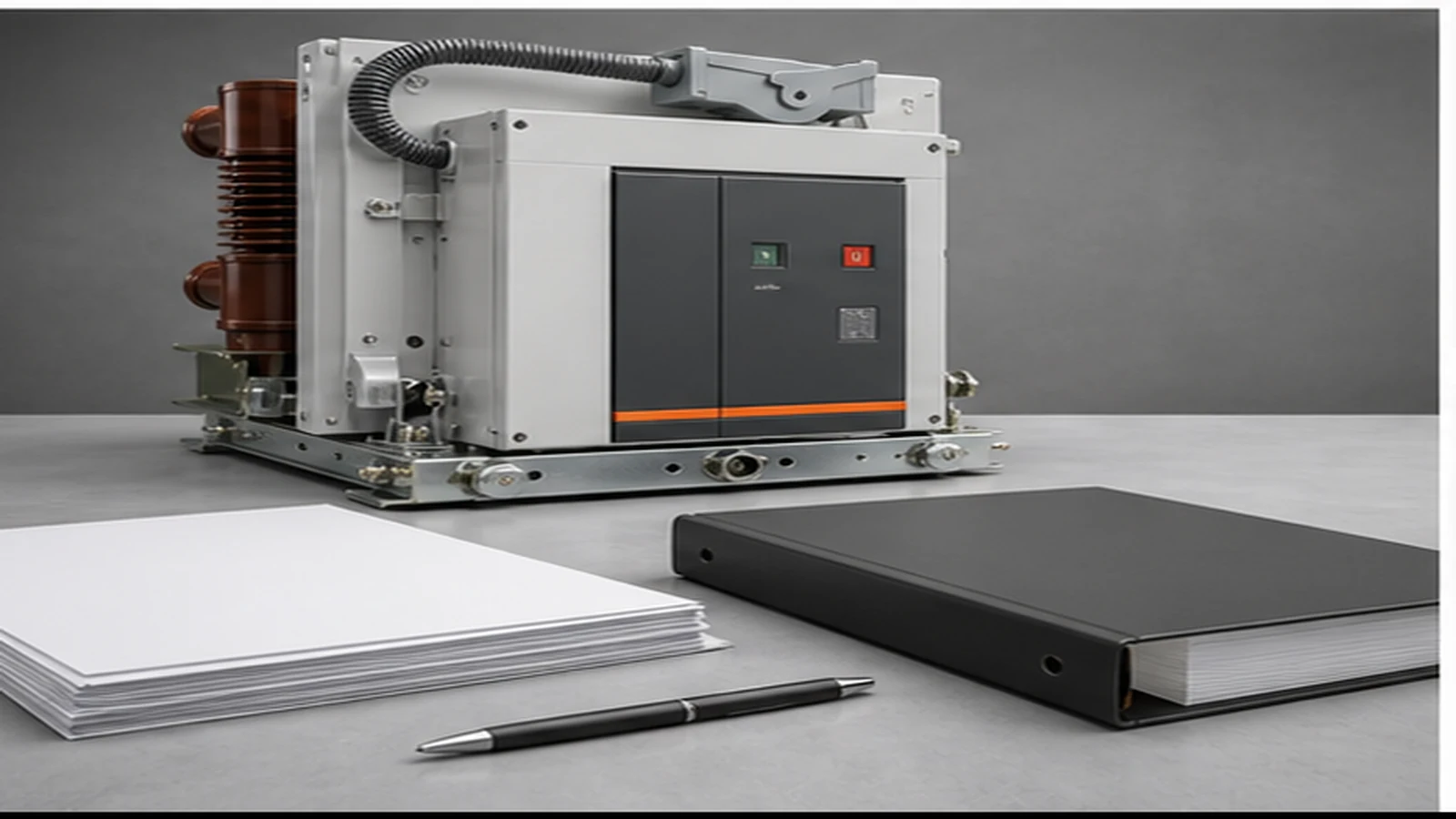
For an existing breaker replacement, use the VCB replacement information checklist to collect photos, nameplate details, drawings, and interface records. It helps create a traceable RFQ package; it does not replace a project fault study or the manufacturer’s approval process.
A Document Package the Project Engineer Can Review
Before an RFQ or submittal is released, assemble a clearly named folder or register containing:
1. The proposed VCB technical-data table and model/configuration reference.
2. The project specification and the governing standards references.
3. The current fault-study and protection/coordination records, identified by revision and installation point.
4. The applicable single-line diagram, panel drawing, and primary/secondary interface information.
5. The manufacturer test, instruction, and approval records required by the project.
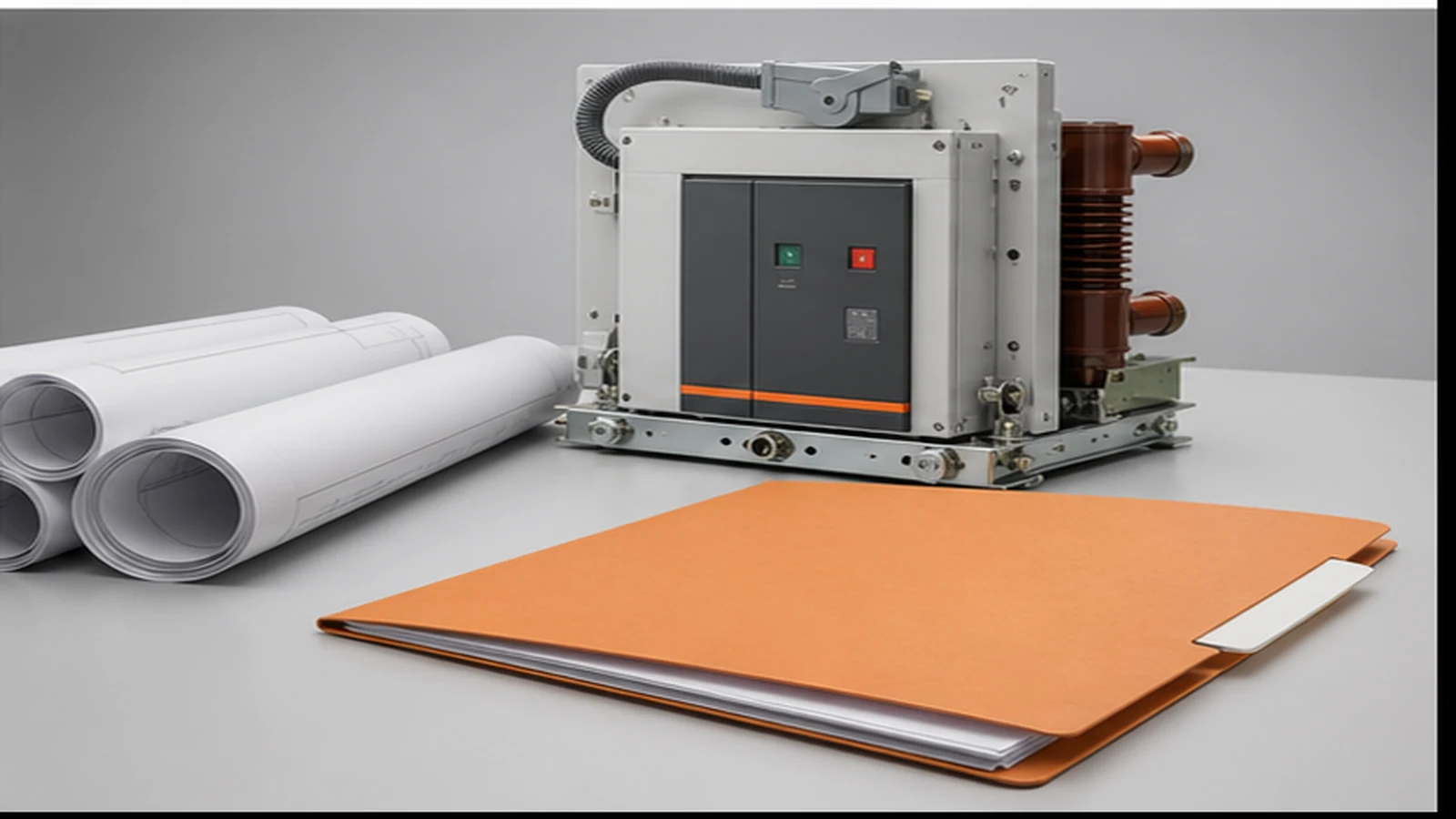
The engineer can then mark each document field as confirmed, needing clarification, or not supplied. “Not supplied” is a useful result: it prevents an unsupported assumption from becoming an unstated selection criterion.
Questions to Put in the RFQ or Review Meeting
Use questions that request evidence instead of asking a supplier to make an unsupported engineering judgement:
- Please provide the proposed model’s technical-data table showing each short-circuit field and duration where applicable.
- Which document identifies the rated voltage, operating class, and standards basis for the offered configuration?
- Which drawings define the primary and secondary interfaces for this offer?
- Can the manufacturer identify the applicable test/documentation references for the proposed model and configuration?
- Which project-side fault-study and protection records should the project engineer use for the final review?
- Are any product limitations, configuration dependencies, or missing records to be resolved before submittal approval?
For a replacement record, also compare the existing identification details with this VCB nameplate comparison guide. Short-circuit documentation and mechanical compatibility are different review streams; both can be necessary before a replacement is accepted.
Why Documentation Gaps Need Escalation
A field that is unlabeled, copied from an old datasheet, or tied to an unspecified configuration cannot support a final equipment decision on its own. The right response is to preserve the mismatch in the document register and ask the responsible project engineer or manufacturer for clarification.
This approach also keeps responsibilities clear. Procurement can request complete, traceable records. The manufacturer can identify the documentation for the offered configuration. The project engineer confirms the system duty, specification compliance, and final suitability. Installation, commissioning, switching, maintenance, and protection settings must follow the model-specific approved procedures and project controls.
FAQ
Why are breaking current, making capacity, and short-time withstand current listed separately?
They are separate manufacturer-rated fields in the technical-data table and should remain separate in the project review record. Ask the project engineer to identify the applicable project-side evidence for each field; do not reduce them to a single generic kA value.
Can an RFQ worksheet determine whether a VCB rating is suitable?
No. An RFQ worksheet can collect the manufacturer data, drawings, and project records needed for review. The project engineer must confirm whether the documented duty, configuration, and specification requirements support the proposed selection.
Mark the relevant comparison as unconfirmed and request an updated or applicable engineering record. Do not substitute a historic value, a generic substation value, or a calculated shortcut for the project engineer’s confirmation.
Does IEC 62271-100 by itself approve the offered VCB?
No. It provides standards context. The project specification, manufacturer documentation, product configuration, and engineering review determine what evidence is required for the actual application.

