

Quick Takeaway
- Confirm the project duty and applicable requirements for Vacuum Circuit Breakers before selection or service work.
- Use recorded inspection and test evidence instead of unsupported assumptions.
- Keep the final acceptance, maintenance, and handover documents with the equipment record.
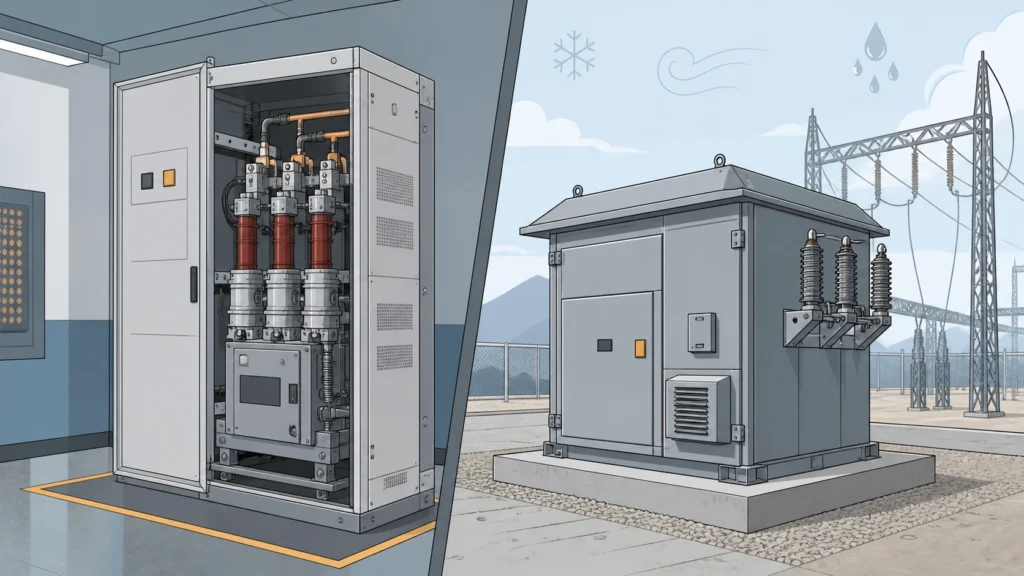
The choice between an indoor and an outdoor vacuum circuit breaker is driven by the installation environment, not by a difference in the vacuum-interruption principle itself. Both types break an arc inside a sealed vacuum interrupter; what changes is the enclosure, insulation coordination, and material specification required to survive the service conditions at the point of installation. A project team that documents ambient temperature range, humidity profile, altitude, pollution severity, and whether a protective housing exists can narrow the field before requesting quotations in the Vacuum Circuit Breakers selection context.
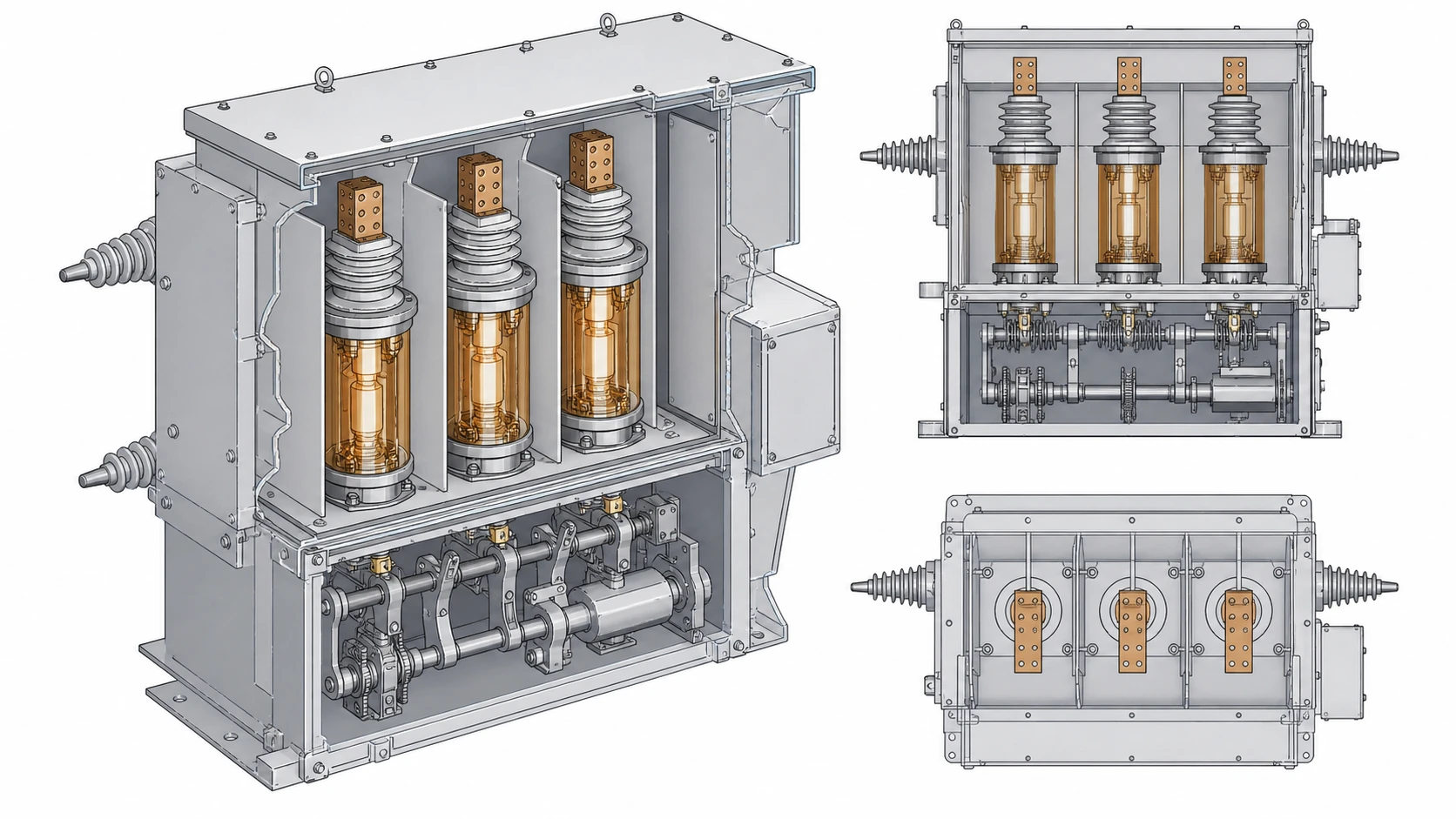
| Condition category | Indoor-rated VCB | Outdoor-rated VCB |
|---|---|---|
| Environmental exposure | Installed inside a building or metal-clad housing that shields the device from weather | Designed to withstand direct open-air exposure including rain, wind, ice, and solar radiation |
| Enclosure & creepage | Shorter creepage distances acceptable because pollution and moisture are controlled | Longer creepage paths, weather-sealed bushings, and corrosion-resistant hardware |
| Typical ambient-temperature band | Controlled or semi-controlled range documented in the manufacturer manual | Wider range accounting for seasonal extremes; heaters or ventilation may be specified |
| Condensation management | Lower risk when housing is ventilated or climate-controlled | Explicit anti-condensation provisions (heaters, breathing drains, sealed compartments) |
| Standards & type-test scope | Tested to indoor service conditions per applicable switchgear standards | Additional type tests for rain, pollution, and extended temperature per outdoor switchgear standards |
Functional Distinction and Why the Vacuum Interrupter Is Not the Variable
A vacuum circuit breaker interrupts fault current by separating contacts inside an evacuated ceramic or glass envelope. The arc extinguishes at current zero because the vacuum provides rapid dielectric recovery and no ionisable gas path. This mechanism is identical whether the breaker sits in an air-conditioned relay room or on an exposed pole structure at a coastal substation.
What differs is everything around the interrupter. ABB's product documentation distinguishes outdoor medium-voltage equipment—designed for open-air exposure—from indoor equipment intended for installation inside a building or protective housing. The distinction is structural, thermal, and insulation-related, not arc-physics-related. Recognising this prevents a common procurement error: assuming that a higher interrupting rating automatically qualifies a breaker for harsher environmental duty.
Service-Condition Factors That Shape the Indoor-or-Outdoor Decision
The ABB Vmax/A installation and operation manual records several service-condition categories that a project review must address: ambient temperature, humidity, altitude, condensation risk, and compliance with applicable switchgear and circuit-breaker standards. These categories apply broadly across manufacturers, though the acceptance limits are model- and project-specific.
**Ambient temperature.** An indoor installation inside a climate-controlled switchgear room may see a narrow temperature band year-round. An outdoor installation must accommodate diurnal and seasonal swings, which affect contact resistance, lubricant viscosity, and spring-mechanism operating energy. Specifying the site's recorded minimum and maximum removes guesswork from the thermal evaluation.
**Humidity and condensation.** High relative humidity alone may not disqualify an indoor-rated breaker, but condensation on insulating surfaces can. Outdoor-rated designs include provisions—anti-condensation heaters, drip shields, sealed terminal compartments—that indoor designs may omit. If an indoor switchgear room is unheated or subject to rapid temperature drops, condensation risk must still be evaluated, and an indoor breaker may need supplementary environmental controls.
**Altitude.** Dielectric withstand capability decreases with altitude because air density drops. Both indoor and outdoor breakers carry altitude service-condition limits in their manuals. Sites above the standard reference altitude require either derating or breakers type-tested for the actual altitude.
**Pollution severity.** Outdoor sites near coasts, heavy industry, or arid regions with conductive dust impose creepage and clearance requirements that indoor-rated insulation cannot meet. Pollution-severity classification of the site feeds directly into bushing and insulator specification.
Enclosure, Insulation Coordination, and Material Differences
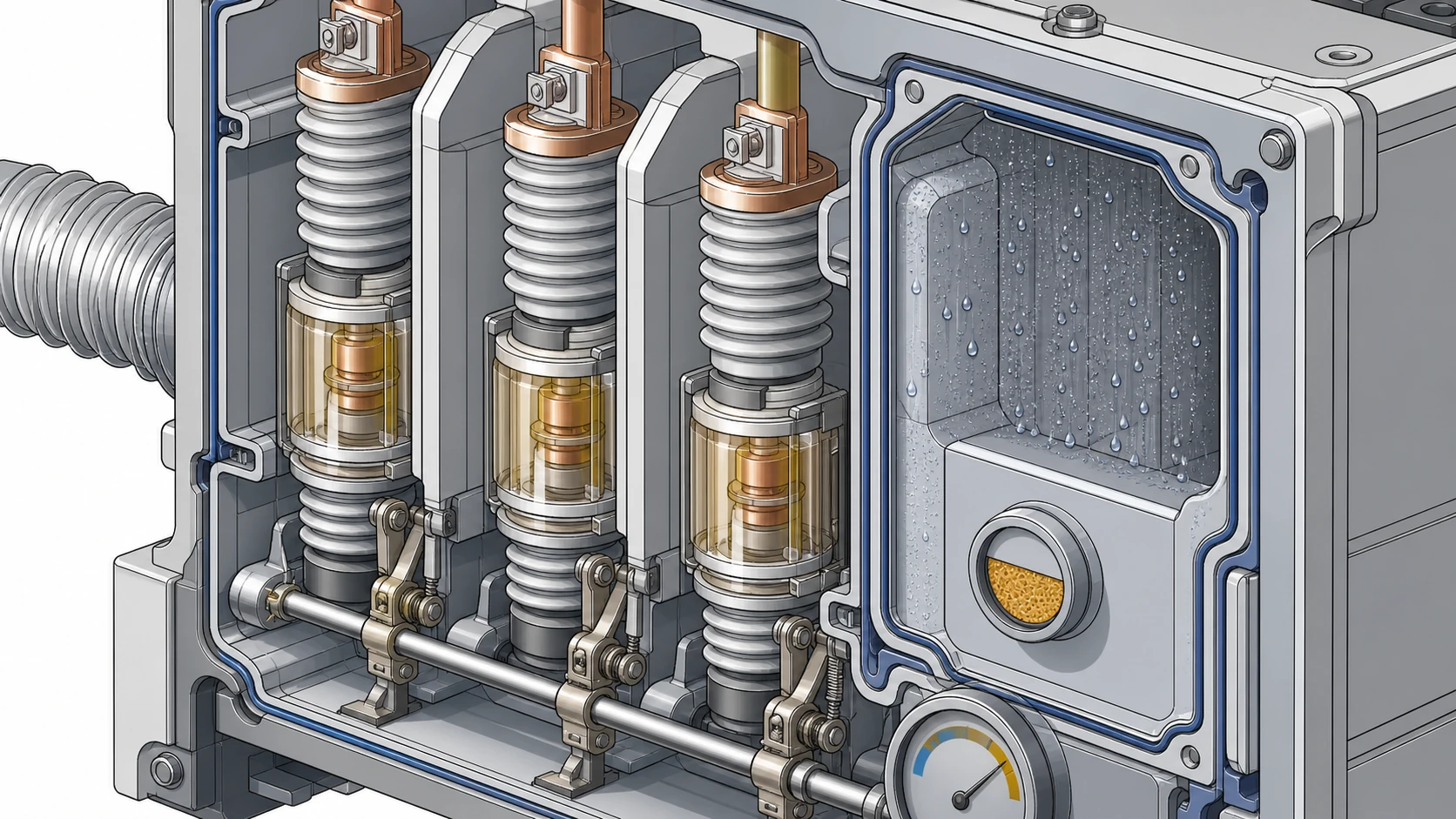
An outdoor vacuum circuit breaker's enclosure does more than keep rain off the contacts. It is part of the insulation-coordination design. Longer porcelain or silicone-rubber bushings provide the creepage distance needed for the pollution class. The operating mechanism housing is sealed or gasketed to an ingress-protection rating that prevents moisture and particulate entry. Hardware is stainless steel or hot-dip galvanised to resist corrosion over a multi-decade service life.
An indoor breaker, by contrast, relies on the switchgear room or the metal-clad enclosure for environmental protection. Its bushings are shorter; its housing may be painted mild steel. Mounting it outdoors without a suitable enclosure exposes insulation surfaces to tracking, mechanism parts to corrosion, and auxiliary circuits to moisture ingress. The failure mode is not immediate—it develops over months or years as surface contamination accumulates and micro-cracks form in under-specified insulation. This is why the broader MV Switching Equipment context matters before treating a breaker as a stand-alone purchase.
The reverse mismatch—installing an outdoor-rated breaker indoors—is less dangerous but still problematic. The larger physical envelope may not fit standard indoor switchgear cubicles, and the cost premium buys environmental resistance the indoor site does not need.
Standards and Evidence Boundaries
IEC 62271-100 and IEEE C37.06 / C37.09 define rated and testing conditions for high-voltage switchgear including vacuum circuit breakers. Within these frameworks, type tests for indoor and outdoor service differ. Outdoor type tests may include wet-withstand (rain) tests on external insulation, extended operating-temperature verification, and pollution-class validation. Indoor type tests assume the environmental envelope that a building or housing provides.
A specification that simply states "vacuum circuit breaker, 12 kV, 25 kA" without stating indoor or outdoor service conditions leaves the evidence gap that leads to misapplication. The project's design basis document should record the service-condition factors from the manufacturer manual—ambient temperature range, humidity, altitude, condensation risk—and map them to the standard's test categories. This mapping is the evidence that justifies the selection and supports the factory-acceptance review.
Selection and Verification Workflow Before an RFQ
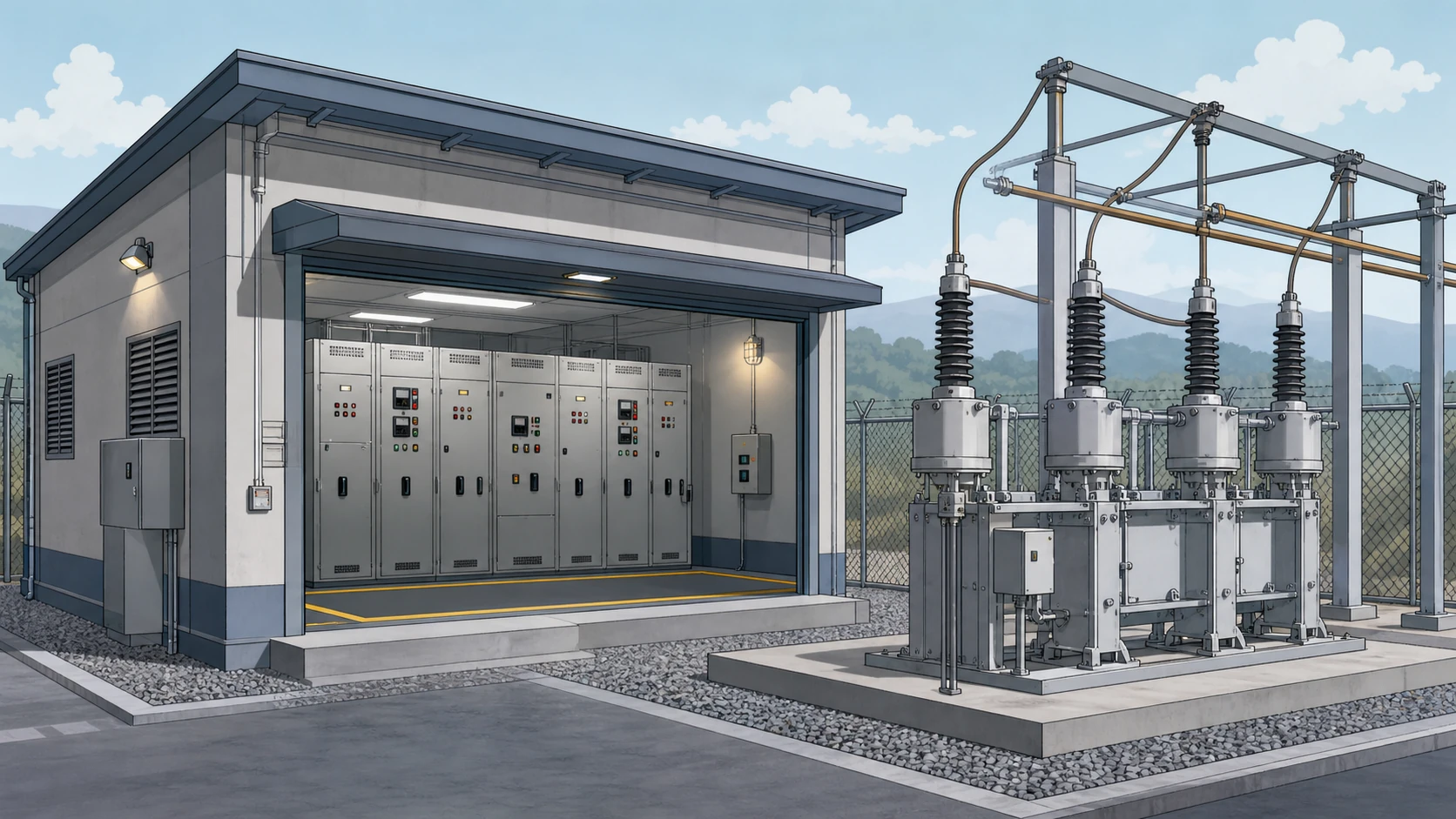
Rather than treating selection and verification as separate passes, a single structured review captures the data a quotation request needs.
**Step 1 — Document the installation environment.** Record whether the breaker will be inside a building, inside a standalone metal-clad enclosure, under a canopy, or fully exposed. If the housing already exists, note its ingress-protection rating, ventilation provisions, and any climate control.
**Step 2 — Collect site service conditions.** Gather the site's recorded ambient-temperature extremes, typical and peak relative humidity, altitude above sea level, and pollution-severity classification. For retrofit projects, add the dimensions and mounting interface of the existing cubicle or structure, including any relationship to chassis trucks and racking systems.
**Step 3 — Map conditions to rated service categories.** Compare site data against the manufacturer's documented service-condition factors. Flag any parameter that falls outside the standard service conditions—this triggers a dialogue with the manufacturer about special ratings, derating, or supplementary environmental controls.
**Step 4 — Specify in the RFQ.** State whether indoor or outdoor rating is required, include the site service-condition data, and require the bidder to confirm compliance with the applicable standard's type-test scope. Request documentation of altitude corrections, anti-condensation provisions, and bushing creepage distances.
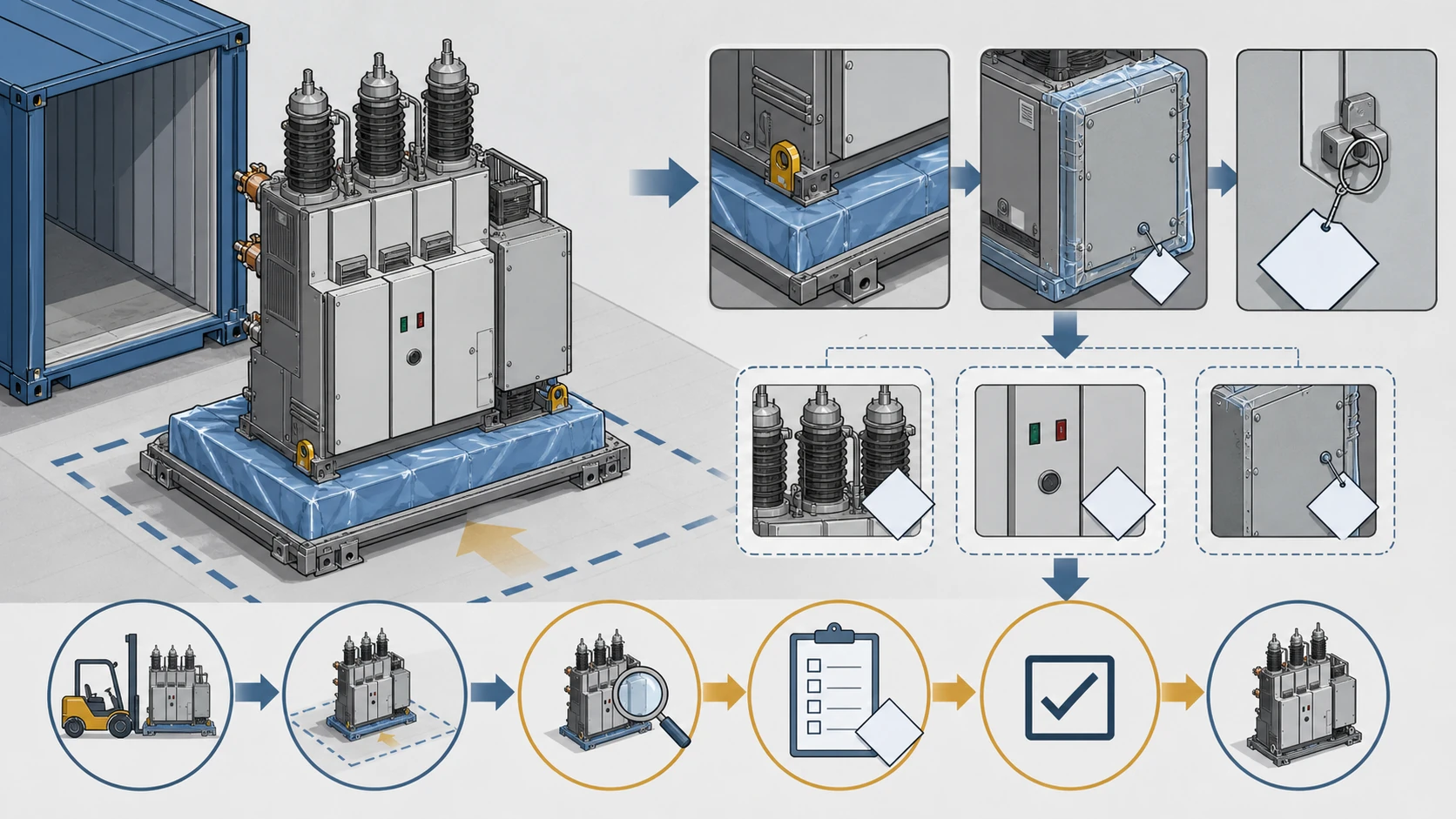
**Step 5 — Verify at delivery and commissioning.** Confirm that nameplate data, bushing type, and enclosure rating match the specified service conditions. Model-specific approved procedures govern commissioning actions such as mechanism timing, contact-resistance measurement, and insulation testing.
Installation and Failure Risks Worth Flagging Early
Three failure patterns recur when indoor/outdoor selection is handled loosely.
**Under-specified insulation in outdoor service.** An indoor-rated breaker installed on an outdoor structure without adequate housing develops tracking paths on bushings within a few wet seasons. Partial-discharge activity rises, and flashover risk follows. Replacement requires an outage and often a new breaker rather than just new bushings, because the mechanism housing also suffers moisture damage.
**Condensation in nominally indoor sites.** Unheated switchgear buildings in climates with high diurnal temperature swings can reach dew point inside the enclosure. If the breaker specification assumed a controlled indoor environment, anti-condensation heaters may be absent. The first sign is often a low-insulation-resistance reading during a routine maintenance test. Adding heaters retroactively is possible but requires wiring changes and a thermal review of the cubicle.
**Altitude derating overlooked.** High-altitude sites reduce the dielectric strength of external air gaps. A breaker rated for standard altitude may pass factory tests but fail to hold off switching surges at the installed elevation. The correction is straightforward if caught at specification time; it is expensive if caught after installation.
Data Checklist for Procurement and Project Review
Before finalising a vacuum circuit breaker purchase, confirm that the following data points are documented and aligned between the site record and the manufacturer's service-condition data:
- Installation classification: indoor (building or metal-clad housing) or outdoor (open-air exposure)
- Ambient-temperature range: site-recorded minimum and maximum
- Relative humidity: typical and peak, with condensation-risk assessment
- Altitude above sea level, compared against the breaker's standard service altitude
- Pollution-severity class for outdoor sites, with corresponding creepage requirement
- Enclosure ingress-protection rating, if the breaker relies on external housing
- Anti-condensation provisions: heaters specified, wired, and thermostat-controlled
- Applicable switchgear and circuit-breaker standards cited in the type-test report
- Mounting dimensions and interface compatibility for retrofit installations
Any gap in this list is a question for the manufacturer or the project's responsible engineer before the order is placed. Final device selection remains model- and project-specific; the checklist ensures the selection is evidence-based rather than assumption-based. For the baseline procurement record, use the VCB replacement information checklist alongside the site-specific evidence.
FAQ
What is the core difference between indoor and outdoor vacuum circuit breakers?
The vacuum-interruption mechanism is the same. The difference is the enclosure design, insulation coordination, creepage distances, and material specification. Outdoor-rated breakers are built to withstand direct open-air exposure—rain, temperature extremes, pollution, UV—while indoor-rated breakers assume a building or housing provides that environmental protection. ABB's medium-voltage product documentation frames this as the defining distinction between the two categories.
What is the risk of installing an indoor-rated vacuum circuit breaker outdoors?
The primary risk is insulation degradation. Shorter creepage distances and unsealed mechanism housings expose the breaker to moisture ingress, surface contamination, and tracking. Over time, partial-discharge activity increases and can lead to bushing flashover. Mechanism components may also corrode, affecting operating reliability. These failures develop gradually rather than immediately, which makes them easy to miss during initial energisation but costly to correct later.
What is the role of altitude in selecting an indoor or outdoor vacuum circuit breaker?
Altitude reduces air density, which lowers the dielectric withstand capability of external air gaps around the breaker. Manufacturer manuals, such as the ABB Vmax/A installation and operation manual, list altitude as a service-condition factor that must be evaluated during project review. Sites above the manufacturer's standard reference altitude require either a breaker rated for the actual altitude or a derating calculation confirmed by the manufacturer.
What is the minimum site data needed before requesting a vacuum circuit breaker quotation?
At a minimum, the RFQ should include: indoor or outdoor installation classification, site ambient-temperature extremes, humidity profile with condensation-risk assessment, altitude, and—for outdoor sites—pollution-severity class. Retrofit projects should add existing cubicle or structure dimensions and mounting-interface details. This data set lets the manufacturer confirm that the offered breaker's documented service conditions match the actual installation environment.
What is the consequence of ignoring condensation risk in an indoor switchgear room?
Condensation on insulating surfaces reduces surface resistivity and can initiate tracking or flashover. In indoor installations without climate control—such as unheated switchgear buildings subject to large diurnal temperature swings—dew point can be reached inside the enclosure even though the breaker is technically installed "indoors." The ABB Vmax/A manual identifies condensation risk as a service-condition factor, reinforcing that indoor classification alone does not eliminate the need for a thermal and humidity assessment of the actual room.

